
How to Prepare for a Commercial Asbestos Inspection: Essential Checklist and Safety Guidelines
Preparing for a commercial asbestos inspection is a vital responsibility for building owners and managers that affects both safety and regulatory compliance. Following best practices reduces the risk of asbestos exposure during inspection. This guide outlines key preparation steps, essential checklists, and safety protocols to help ensure a smooth, compliant inspection. Proper preparation protects occupant health and enables a thorough, defensible assessment.
This guide covers the checklists and safety guidelines to follow during an inspection, plus the documentation you should organise in advance. Implementing these steps will help you meet inspection requirements and maintain compliance with applicable regulations.
Essential Checklist for Asbestos Inspection Preparation:
Proper preparation involves several critical steps to create a safe environment for inspectors. The checklist below identifies the primary actions to complete before the inspection:
- Clear the Inspection Area: Ensure the inspection site is free of clutter to allow a thorough evaluation.
- Inform the Inspector About Renovations: Provide the inspector with details of any recent renovations that might affect asbestos presence.
- Gather Documentation: Collect relevant documents, such as prior inspection reports, building plans, and any past asbestos survey results.
Organising these items in advance supports an efficient, compliant inspection and helps reduce delays.
Safety Guidelines During Asbestos Inspection:
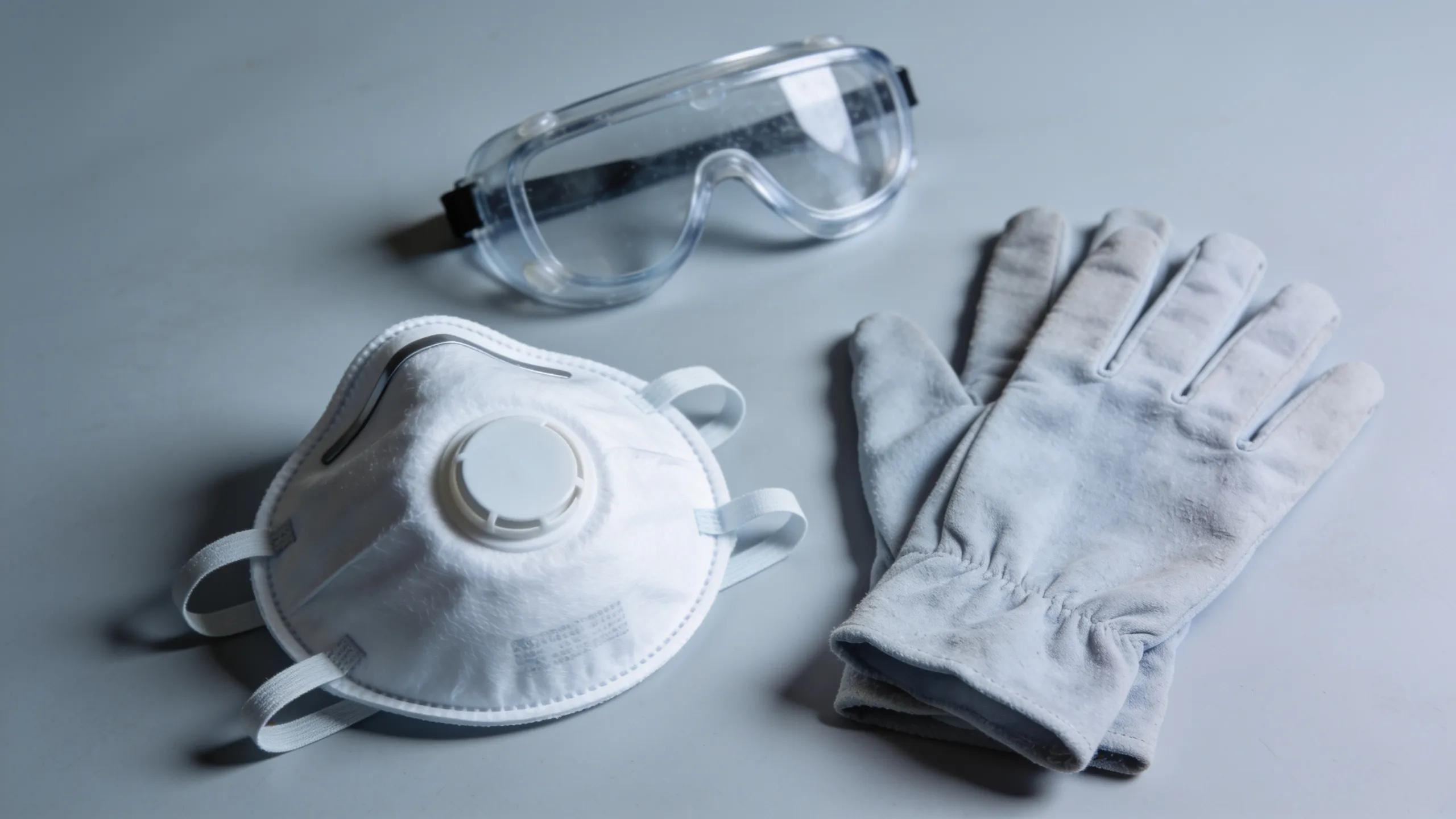
Safety during an asbestos inspection is paramount. The following guidelines summarise the precautions to maintain throughout the inspection.
- Engage Certified Professionals: Hire certified and licensed asbestos inspectors to conduct assessments of the property.
- Use Personal Protective Equipment (PPE): All personnel involved in the inspection should wear appropriate PPE, including masks and protective clothing, to reduce exposure to asbestos fibers.
- Implement Air Monitoring: Conduct air monitoring to detect any release of asbestos during inspection, ensuring air quality remains safe for workers and occupants.
Adhering to these protocols minimises exposure risk and creates a controlled inspection environment.
What Are the Key Steps in the Commercial Asbestos Inspection Checklist?
A commercial asbestos inspection follows defined steps to ensure a thorough examination and regulatory compliance.
- Initial Assessment: Begin with a visual inspection to identify areas that may contain asbestos.
- Sampling and Testing: Safely collect suspected materials and send samples to a laboratory for analysis.
- Results Interpretation: After receiving laboratory results, the inspector will assess the implications for occupants and recommend remediation if needed.
These steps guide inspectors through a systematic process to address asbestos concerns.
How to Organize the Building Prior to Inspection?
Preparing the building requires organising the space and making documentation available for the inspection.
- Remove Unnecessary Furniture: Clear furniture and objects from rooms targeted for inspection to allow easy access.
- Label Areas of Concern: Clearly mark hazardous areas that may need special handling during inspection.
- Provide Access to Maintenance Records: Ensure maintenance records documenting past remediation efforts are available to inspectors.
This proactive approach facilitates an efficient assessment and provides clear access to all required areas of the structure.
What Documents Are Required for a Commercial Asbestos Survey?
Documentation is critical to a commercial asbestos survey. The following documents should be gathered and made available:
- Previous Inspection Reports: Provide past reports to inform the current inspection.
- Building Plans: Blueprints or plans showing the building layout help inspectors locate potential asbestos areas.
- Material Safety Data Sheets (MSDS): Compile MSDS for materials used within the building for inspector review.
Organised documentation enables inspectors to work efficiently and address potential asbestos issues.
Which Safety Protocols Should Businesses Follow Before an Asbestos Inspection?
Businesses must prioritise safety by implementing protocols before an asbestos inspection. Typical preparations include the following:
- Conducting a Pre-Inspection Meeting: Meet with all personnel involved so everyone understands protocols and procedures during the inspection.
- Establishing Boundaries: Clearly mark areas that will not be inspected to minimise the risk of contamination.
- Providing Adequate Training: Ensure staff receive asbestos-awareness training and understand the steps to take if asbestos is suspected.
These protocols create a safety foundation and ensure staff are informed and prepared. For commercial properties, services such as commercial property services in Long Island can provide additional support.
What Pre-Inspection Asbestos Safety Guidelines Ensure Compliance?
Following pre-inspection safety guidelines helps ensure compliance with local asbestos regulations. Key guidelines include:
- Verify Licenses and Certifications: Confirm all personnel conducting the inspection have necessary licenses and certifications.
- Communicate Potential Hazards: Inform occupants about potential hazards related to inspection activities.
- Create a Contingency Plan: Prepare a plan to address unexpected asbestos findings so quick, compliant action can be taken if necessary.
These measures provide a structured approach and reinforce regulatory compliance during the inspection.
How to Coordinate with Licensed Asbestos Inspectors and Ensure Regulatory Compliance?
To coordinate effectively with licensed asbestos inspectors, businesses should:
- Schedule Inspections in Advance: Book inspections early to secure qualified inspectors.
- Communicate Specific Needs: Outline any specific concerns or requests that may require special attention.
- Follow Up on Compliance: After the inspection, follow up to clarify findings and implement recommended actions.
Effective coordination with professionals reinforces compliance and improves inspection efficiency.
What Are the Common Commercial Asbestos Survey Steps During Inspection?
In a commercial asbestos survey, inspectors typically follow a set sequence to complete the assessment:
- Conducting Visual Inspections: Start with a visual examination of suspected areas to locate potential asbestos.
- Material Sampling: Sample asbestos-containing materials for laboratory analysis to identify composition.
- Reporting Findings: After analysis, inspectors prepare a report detailing findings, risks, and recommended remediation.
This systematic approach ensures a methodical inspection and an accurate assessment of asbestos risks.
How Does the Asbestos Risk Assessment Inform Inspection Procedures?
Risk assessments shape inspection procedures by:
- Identifying Areas of Concern: Assessments help pinpoint building areas that may pose asbestos exposure risks.
- Determining Inspection Frequency: Depending on risk, assessments guide how often inspections should occur to prompt timely action for high-risk areas.
- Tailoring Inspection Strategies: Assessment insights inform the techniques and safety measures needed for each situation.
A thorough risk assessment improves inspection strategy and supports focused, effective mitigation.
What Should Businesses Expect After the Inspection?
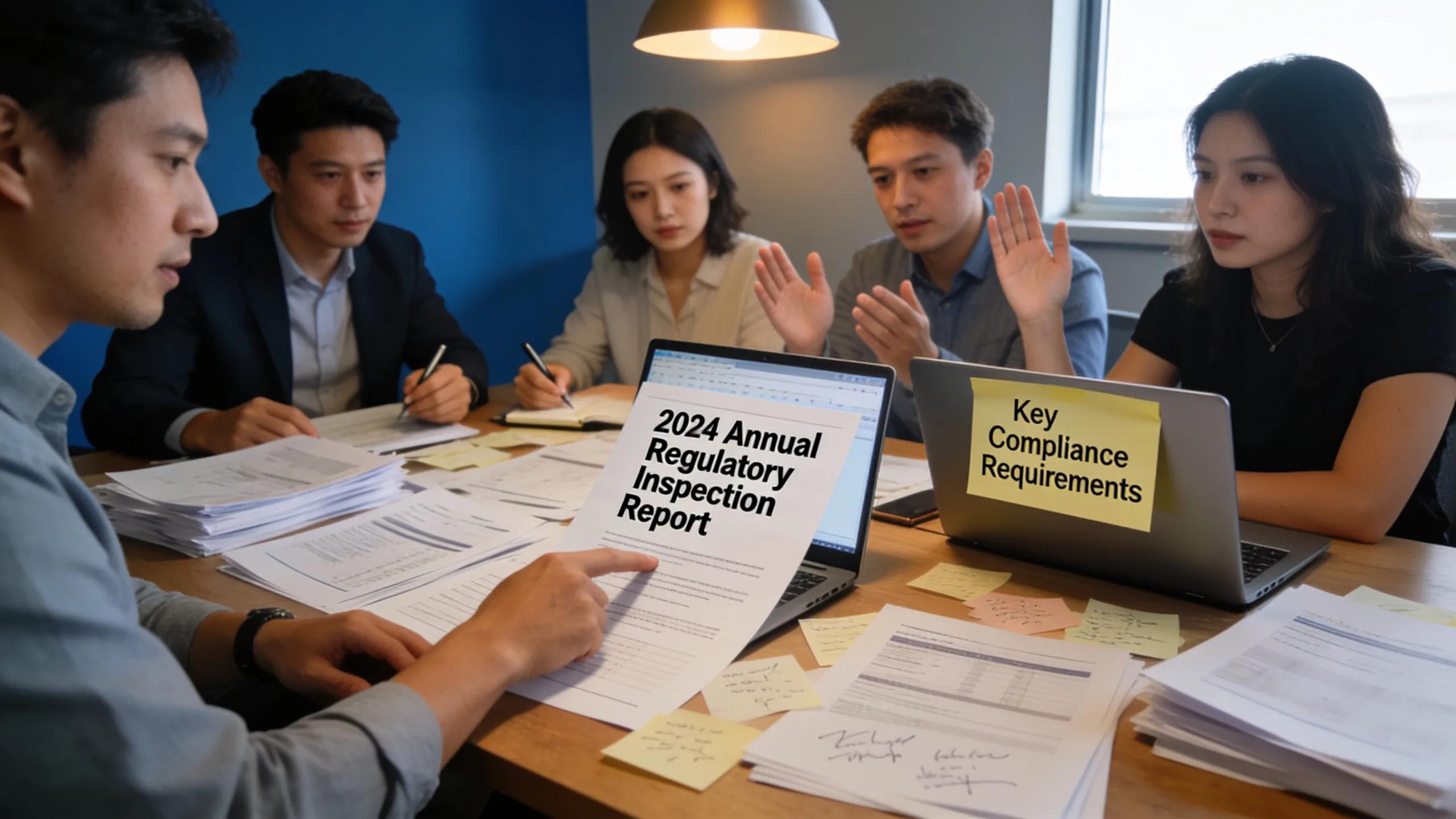
After an asbestos inspection, businesses should expect the following outcomes:
- Detailed Inspection Report: Inspectors provide a report describing identified asbestos materials and associated risks.
- Recommendations for Action: Recommendations can range from immediate remediation to ongoing monitoring strategies.
- Compliance Documentation: Businesses receive documentation that the inspection was completed, which supports regulatory compliance and due diligence.
Understanding these outcomes helps businesses prepare for any required follow-up actions.
Frequently Asked Questions
Conclusion
Preparation for a commercial asbestos inspection is essential to protect people and maintain regulatory compliance. Following the checklists and safety guidelines reduces asbestos exposure risk. Proactive measures enable a smoother inspection and stronger compliance. For comprehensive assistance and expert guidance, consider our services tailored for commercial inspections.