
Asbestos Health Risks in Brooklyn
Asbestos exposure in Brooklyn, NY is a serious and ongoing public health concern. Older buildings throughout the borough (many constructed before the late 1970s) commonly contain asbestos in insulation, floor tiles, roofing materials, and siding. When those materials are disturbed during renovation or demolition, microscopic fibers are released into the air and inhaled, triggering diseases including mesothelioma, lung cancer, gastrointestinal cancers, and asbestosis. There is no safe level of asbestos exposure, and symptoms can take 20 to 50 years to appear, making early detection and professional abatement critical for every Brooklyn property owner, renter, and construction worker.
Key Takeaways
- Asbestos fibers, when inhaled, cause serious diseases including mesothelioma, lung cancer, and asbestosis.
- Brooklyn’s older buildings frequently contain asbestos in insulation, floor tiles, and roofing materials.
- Long-term asbestos exposure remains the primary trigger for mesothelioma, a deadly cancer with no cure.
- New York construction workers face heightened asbestos risks due to the city’s aging building infrastructure.
Why Is Asbestos a Hidden Danger in Brooklyn?
Asbestos health risks in Brooklyn stem from a straightforward but alarming reality: asbestos is concealed inside more than 60 common building materials found throughout Brooklyn, NY properties, with no visible warning signs whatsoever. Most property owners have no idea until demolition or remodeling work begins, and by then, fibers may already be airborne.
Brooklyn’s housing stock skews old. Thousands of residential and commercial buildings throughout the borough were constructed during an era (roughly from the 1920s through the late 1970s) when asbestos was a standard ingredient in insulation, floor tiles, roofing, pipe wrap, and siding. Neighborhoods such as Bushwick, Brownsville, Bay Ridge, and Crown Heights are home to dense concentrations of pre-war and mid-century buildings where asbestos-containing materials remain in place today. Materials that have been in place for decades degrade and crumble over time, releasing fibers even without any active renovation work. The New York City Department of Buildings and the NYC Department of Environmental Protection (DEP) regulate asbestos handling under Local Law 76, requiring licensed abatement for any disturbance above defined thresholds — a reflection of how seriously the city treats this hazard.
How Asbestos-Containing Materials Become Dangerous
Disturbance is the trigger. Sanding, drilling, breakage, or simple material degradation releases asbestos fibers, thinner than a human hair, directly into the air. Once airborne, those fibers are invisible and odorless, making exposure easy to miss entirely. In Brooklyn, NY buildings where asbestos has been in place for 40, 50, or even 70 years, even natural deterioration from age and moisture can cause materials to become friable — meaning they crumble easily and shed fibers without any physical disturbance. Pipe lagging, ceiling tiles, and spray-applied fireproofing materials are among the most common sources of friable asbestos found in Brooklyn’s older residential and commercial stock.
Elevated Asbestos Risk in Brooklyn Renovation Projects
New York construction sites carry elevated asbestos exposure risk precisely because of the city’s dense concentration of older buildings. Brooklyn renovation projects disturb materials that have sat undisturbed for decades. A contractor drilling through a wall or a homeowner pulling up old floor tiles in a pre-1980 Brooklyn property can unknowingly release fibers that linger in the air long after the work stops.
According to the U.S. Environmental Protection Agency (EPA), asbestos fibers can remain suspended in the air for hours and settle onto surfaces, only to be re-released with any subsequent disturbance. The Occupational Safety and Health Administration (OSHA) has established permissible exposure limits for asbestos specifically because construction and renovation trades face the highest occupational risk. In New York, the NYC DEP requires an asbestos survey, conducted by a licensed inspector, before any renovation or demolition that disturbs more than 25 linear feet or 10 square feet of material. Brooklyn tradespeople — including electricians, plumbers, and general contractors — who regularly work in pre-1980 buildings face cumulative exposure risk that compounds over a career.
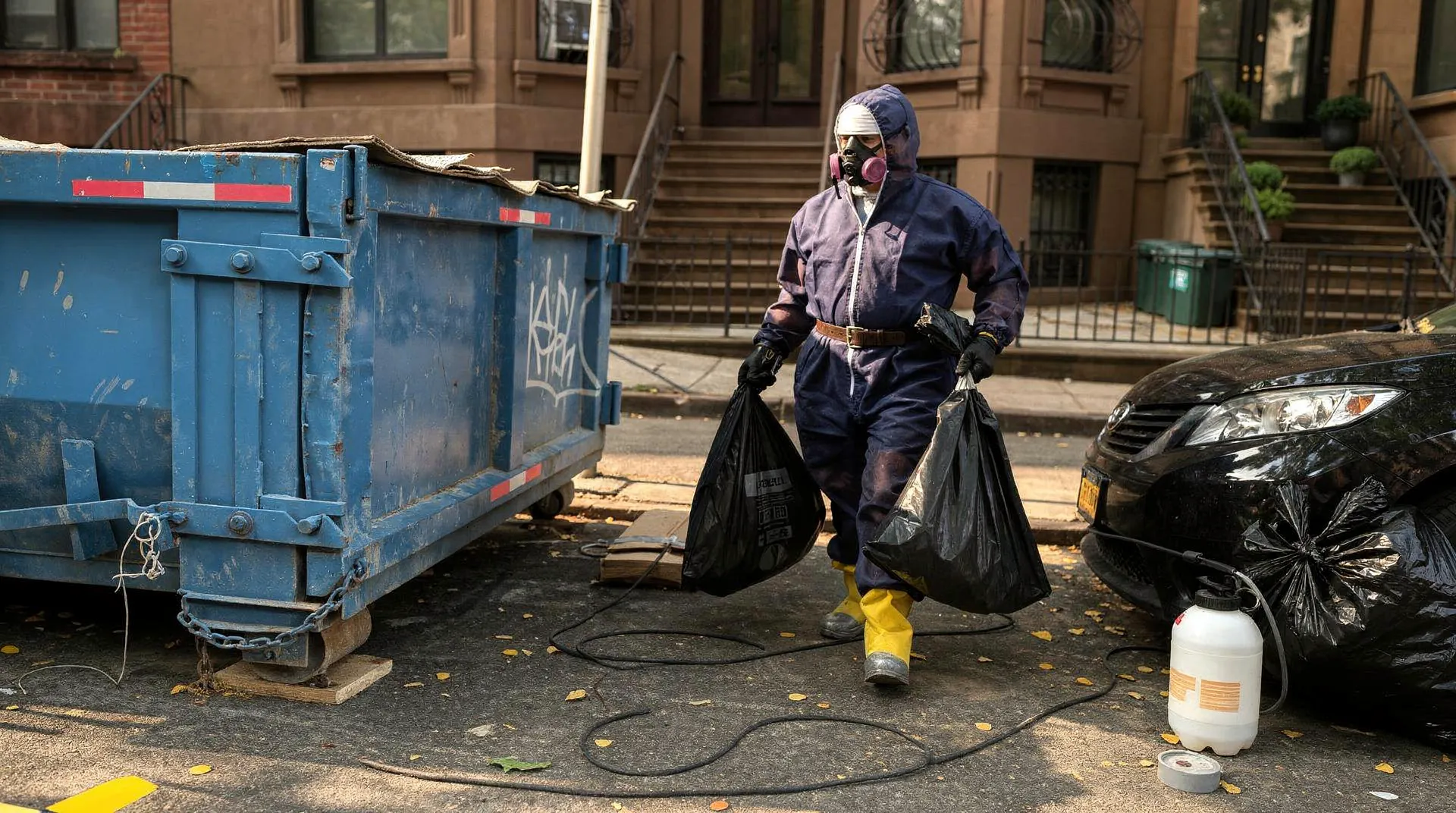
Edelweiss Khust provides Licensed Asbestos Removal | Risk Free Services Brooklyn. Abatement services to Brooklyn property owners navigating exactly these risks.
What Serious Health Conditions Can Asbestos Cause?
Asbestos health risks in Brooklyn are severe and well-documented. Older Brooklyn homes and buildings frequently conceal asbestos in walls, flooring, and roofing materials, and exposure to disturbed asbestos fibers causes a range of life-threatening conditions. Brooklyn, NY residents who lived or worked in older buildings — particularly those constructed before 1980 — are among the most vulnerable populations in New York City.
Asbestos-related diseases fall into two broad categories: cancers and non-cancerous lung conditions.
Cancers linked to asbestos exposure include:
- Mesothelioma: a rare cancer affecting the lining of the lungs, chest cavity, and abdomen
- Cancers of the gastrointestinal tract, throat, kidney, brain, bladder, voice box, and gallbladder
- Lung cancer
Non-cancerous conditions include:
- Asbestosis: an inflammatory lung condition causing coughing, shortness of breath, and permanent lung scarring
- Pleural plaques: a thickening of the membranes surrounding the lungs
- Pleural effusions: abnormal fluid buildup between the chest wall and the lungs
A critical principle governs all of these conditions: the greater the exposure to asbestos (measured in both concentration and duration), the greater the risk of developing serious health effects. The latency period between first exposure and disease diagnosis typically ranges from 20 to 50 years, which is why many Brooklyn, NY residents who worked in or renovated pre-1980 buildings are only now receiving diagnoses. The Agency for Toxic Substances and Disease Registry (ATSDR) classifies asbestos as a known human carcinogen, with no established safe level of exposure.
Asbestos Exposure Pathways in Brooklyn Buildings
Brooklyn’s older building stock places residents and workers at elevated risk through several distinct exposure pathways. Primary exposure occurs when asbestos-containing materials are physically disturbed during renovation or demolition. Secondary exposure can happen when fibers are tracked through a building on clothing or footwear, contaminating areas far from the original disturbance. Para-occupational exposure — where workers unknowingly carry fibers home — has historically affected the families of Brooklyn tradespeople who worked with asbestos-containing products. Each pathway carries real health consequences, and all three are preventable with proper professional assessment and abatement.
Mesothelioma: The Most Serious Asbestos-Related Disease
Mesothelioma is particularly dangerous because it targets the protective lining of the lungs (pleura) and abdomen (peritoneum), and it carries a median survival rate of 12 to 21 months after diagnosis. There is currently no cure. The American Cancer Society notes that nearly 3,000 new mesothelioma cases are diagnosed in the United States each year, the majority attributable to occupational asbestos exposure. In New York City, decades of construction activity, shipbuilding, and industrial work have made the region one of the most heavily affected in the country. Brooklyn property owners and workers who suspect asbestos presence should contact a licensed abatement provider before any renovation work begins.
How Can Brooklyn Residents Protect Their Health?
Brooklyn residents protect their health from asbestos health risks in Brooklyn by scheduling professional inspection and testing before any renovation or demolition work begins. Asbestos-related diseases (mesothelioma, lung cancer, and asbestosis) develop silently over years of exposure, with symptoms that are often mistaken for more common respiratory conditions until the disease has progressed significantly. Acting before disturbance occurs is the single most effective protective measure available to Brooklyn, NY property owners, renters, and building managers.
Professional Asbestos Inspection in Brooklyn, NY
Edelweiss Khust provides comprehensive asbestos inspection and testing services across Brooklyn, NY, identifying hazards before they escalate into serious health threats. Certified technicians collect bulk material samples from suspect areas including insulation, flooring, ceiling tiles, pipe wrap, and siding, then submit them for accredited laboratory analysis. Property owners receive clear written findings they can act on immediately. The company holds full certification from the NYS Department of Health (NYS DOH), the NYC DEP, and OSHA, ensuring every inspection meets the city’s strict regulatory requirements. Early detection is the most effective way to prevent long-term exposure and avoid the significant legal and financial liability that comes with undisclosed asbestos in a Brooklyn property. Under New York City regulations, sellers and landlords have defined disclosure obligations, and professional inspection documentation provides critical legal protection.
Safe Asbestos Removal for Brooklyn Residential and Commercial Properties
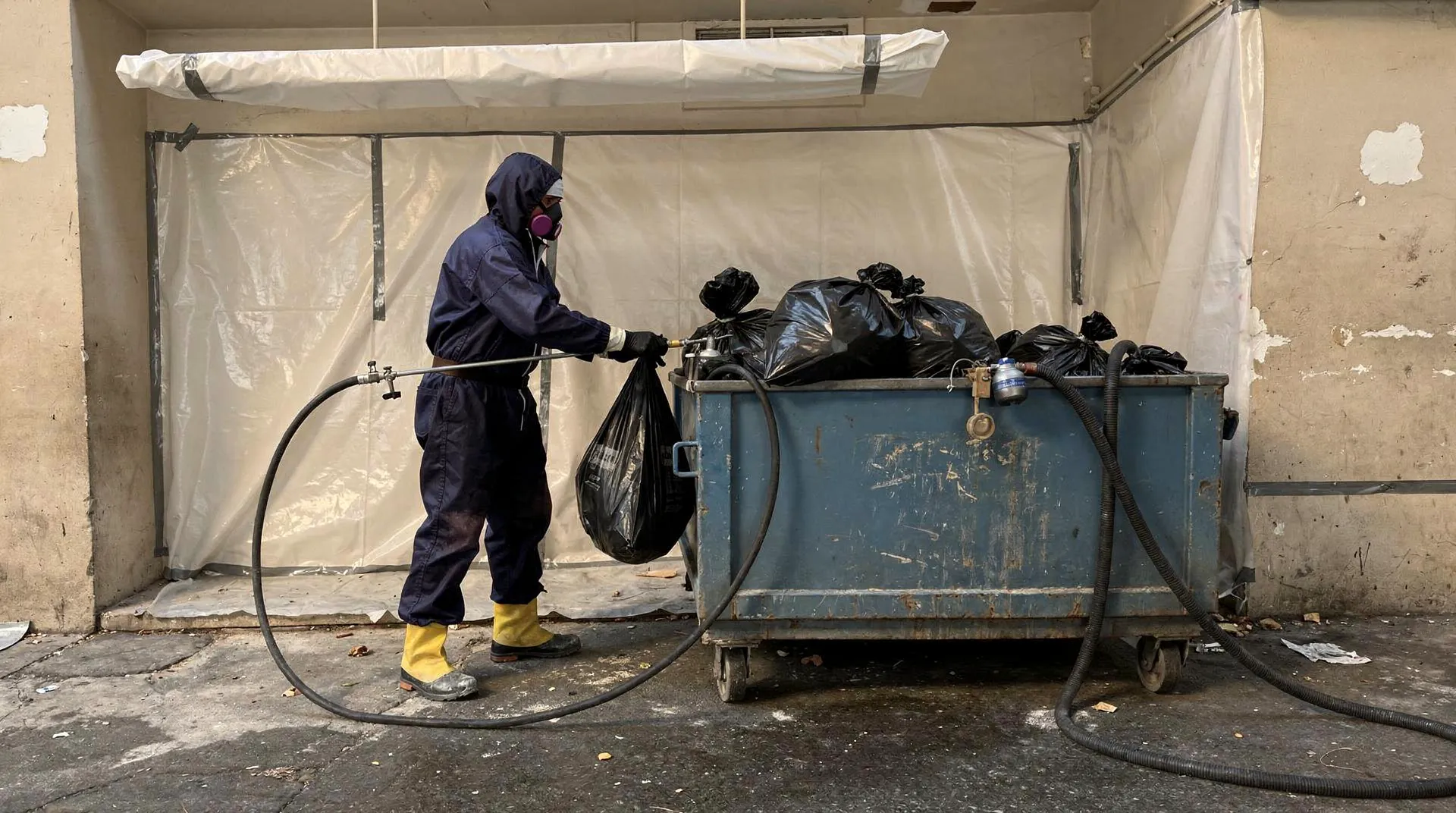
Edelweiss Khust delivers safe, fully compliant asbestos removal for Brooklyn, NY residential and commercial properties, ensuring complete hazard eradication, strict regulatory adherence, and lasting peace of mind. The company is fully licensed and insured in New York, BBB A+ accredited, with over 25 years of experience handling asbestos abatement safely and responsibly across Brooklyn and the wider New York City area. Every project follows OSHA and EPA standards. Technicians use HEPA-filtered vacuums and negative-pressure containment units to prevent fiber migration during removal, and post-abatement air monitoring confirms that airborne fiber levels remain below regulatory limits before the project is considered complete. An in-house compliance team oversees every phase, significantly reducing property owners’ liability and ensuring full documentation for permit and disclosure purposes.
Key protections Brooklyn residents should prioritize:
- Professional asbestos testing before any renovation work
- [Asbestos Inspection Brooklyn Homes | Safe Inspection Tips](https://www.edelweisskh.com/?p=3470) performed by a certified, insured contractor
- Post-removal clearance testing to confirm the space is safe
FAQ
Protect Your Brooklyn Property — Schedule a Free Consultation
Asbestos exposure is a preventable risk. Whether you are planning a renovation, purchasing a pre-1980 property, or concerned about deteriorating materials, Edelweiss Khust’s certified team is ready to inspect, test, and safely remove asbestos from your home or commercial building.
Over 25 years of experience · NYS DOH, NYC DEP & OSHA certified · BBB A+ accredited
ð Call us: (929) 353-8505 ✉️ Email: edelweisskhust@gmail.com ð 440 E 9th St, #1, Brooklyn, NY 11218
Available 7 days a week, 7:00 AM – 7:00 PM. No hidden charges. Complete hazard eradication guaranteed.