
Asbestos Risks for Brooklyn Families
Asbestos poses serious health risks to Brooklyn families, particularly in older homes disturbed during renovation. Across New York City, asbestos exposure remains a persistent concern in pre-1980s properties, and many Brooklyn buildings undergoing renovation may encounter hidden asbestos, underscoring how widespread the issue truly is. Damaged materials release toxic fibers into the air, threatening residents’ health. Undisturbed asbestos in good condition remains less dangerous, but professional testing confirms its true status.
Key Takeaways on Asbestos Risks in Brooklyn Residences
- Homes built before the 1980s contain legacy asbestos in cement, floor tiles, insulation, walls, and pipes.
- Asbestos presence alone poses no hazard; danger emerges only when materials become damaged over time.
- Renovation work like wall removal and ceiling scraping releases toxic asbestos fibers into the air.
- Damaged asbestos materials put all household members at risk through inhalation of released fibers.
Prevalence of Asbestos in Brooklyn’s Older Residential Buildings
Brooklyn’s older housing stock, including brownstones, pre-war apartment buildings, and limestone row houses, makes the borough a high-risk zone for asbestos-related health issues. These buildings, constructed predominantly before 1980, frequently incorporated asbestos-containing materials due to their fire-resistant and insulating properties. Asbestos found in these homes often exists unnoticed in steam pipe insulation, vermiculite attic insulation, popcorn ceilings, vinyl floor tiles, and joint compounds. Property owners and residents cannot afford to ignore such hidden risks, as the asbestos fibers become harmful when disturbed or deteriorated over time.
Health Risks Associated with Asbestos Exposure in Brooklyn Homes
Exposure to asbestos fibers has been conclusively linked to severe respiratory illnesses, including mesothelioma, asbestosis, and lung cancer. These diseases often develop after extended latency periods, sometimes decades after initial fiber inhalation. In Brooklyn, residents renovating or living in pre-1980 properties are particularly vulnerable due to the potential release of fibers during common activities that disturb asbestos-containing materials. Repeated low-level exposure during small renovation projects can accumulate to pose significant health risks.
Common Asbestos-Containing Materials in Brooklyn Residential Properties
Asbestos in Brooklyn’s pre-1980 homes is commonly found in the following building materials:
- Pipe insulation, including steam pipes and boiler wrap
- Vermiculite attic insulation, often mixed with asbestos fibers
- Popcorn textured ceilings and ceiling coatings
- Vinyl floor tiles and the adhesive backing beneath them
- Wall joint compounds used in plastering and drywall finishing
Many of these materials are difficult or impossible to identify visually as containing asbestos without certified laboratory analysis. The deceptive appearance poses serious risks during renovations that disturb these materials.
Regulatory Framework for Asbestos Control in Brooklyn
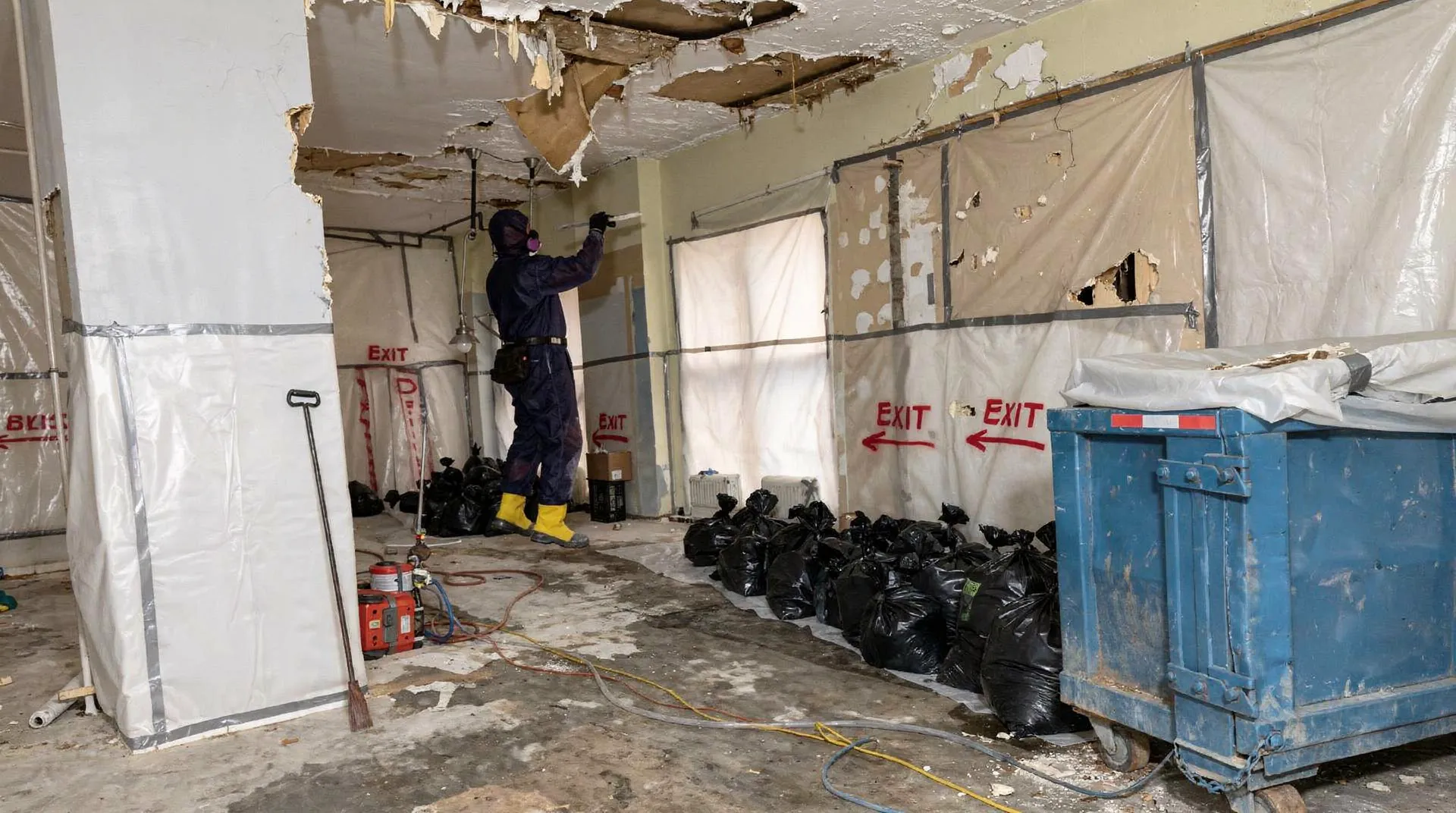
Asbestos abatement and handling in Brooklyn are strictly regulated under New York City Department of Environmental Protection (NYC DEP) Title 15 Chapter 1 and New York State Department of Labor (NYS DOL) Code Rule 56. The NYC DEP mandates ACP-5 asbestos surveys before issuing most renovation or demolition permits, requiring licensed contractors to perform safe abatement procedures. These protocols include enclosure construction with negative air pressure, HEPA filtration, and third-party air monitoring to ensure fiber containment and protect workers and residents. Failure to comply can lead to significant penalties, work stoppages, and potential legal liability for property owners.
Certified Asbestos Inspection and Air Monitoring Protocols in Brooklyn
A professional asbestos inspection involves a thorough physical survey performed by EPA- and NYC DEP-certified inspectors, who collect representative samples of suspect materials using containment procedures to prevent fiber release. Samples are analyzed in accredited laboratories to confirm asbestos presence. Following identification, abatement professionals implement controls, including negative-pressure containment, fiber-suppression methods, and continuous airborne fiber monitoring with calibrated equipment. Clearance air testing is conducted post-abatement to verify that the environment is safe for occupancy and to ensure compliance with OSHA, EPA, and NYC DEP standards.
Potential Health Consequences and Legal Implications for Brooklyn Families
Families living in Brooklyn’s older homes face significant health risks from asbestos exposure, especially when damaged materials release microscopic fibers into the air. Inhaled fibers embed in lung tissue, causing chronic inflammation and cellular damage that can develop into mesothelioma, asbestosis, or lung cancer over time. In addition to health dangers, improperly conducted asbestos disturbance during renovations exposes property owners to legal risks under NYC DEP and NYS DOL regulations. Licensed asbestos removal is mandatory to comply with local statutes, avoid fines, and protect residents and workers.
Common Asbestos-Containing Materials Found in Brooklyn Properties
- Insulation in walls, pipe steam lines, attics, and boiler wrapping
- Roofing shingles and exterior siding on older structures
- Ceiling and floor tiles, including vinyl patterns installed prior to renovation
Edelweiss Khust provides licensed asbestos removal services in Brooklyn, ensuring that hazardous materials are identified and safely removed before any construction or renovation begins, in full compliance with all applicable laws.
Effective Protection Strategies for Brooklyn Families Against Asbestos Exposure
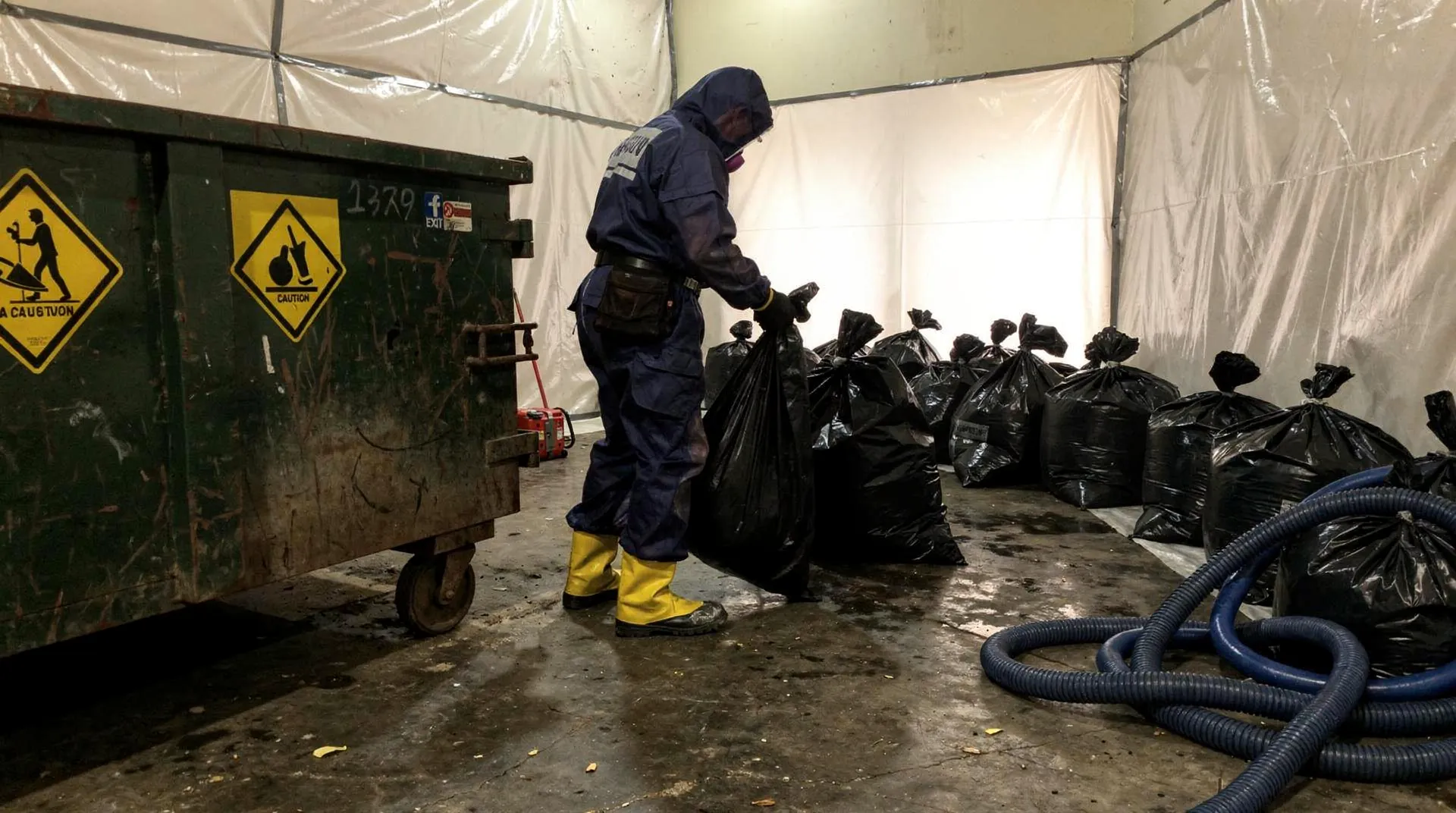
Brooklyn residents can protect their families by obtaining professional asbestos testing from certified inspectors, never relying on visual judgment alone. Asbestos-containing materials are visually indistinguishable from safe alternatives, and disturbing them without testing risks the release of hazardous fibers. Following identification, abatement should be performed by licensed professionals using industry-standard safety controls to minimize the risk of exposure during removal.
Procedural Steps for Residents Suspecting Asbestos in Their Brooklyn Homes
- Cease all renovation or disturbance activities near suspected asbestos-containing materials immediately.
- Arrange for a licensed asbestos inspection conducted by certified professionals familiar with NYC DEP and NYS DOL regulations.
- Collect samples for laboratory analysis using safely contained techniques to avoid fiber release.
- Engage a licensed asbestos abatement contractor to develop and implement a removal plan compliant with city and state laws if asbestos is confirmed.
Edelweiss Khust employs highly trained, licensed, and insured inspectors and abatement contractors with over 25 years of experience in the Brooklyn area. Their protocols meet OSHA and EPA standards and incorporate advanced containment technologies, helping local families mitigate asbestos health risks with confidence and compliance.
Frequently Asked Questions
What NYC regulations govern residential asbestos removal and abatement in Brooklyn?
Residential asbestos abatement in Brooklyn is strictly regulated by the NYC Department of Environmental Protection (NYC DEP) and NYS Department of Labor (DOL) Code Rule 56. Any project disturbing regulated quantities of asbestos requires certified abatement handlers, negative-pressure containment enclosures, HEPA filtration, third-party air monitoring, and formal ACP-5 or ACP-7 filings before renovations or permits are approved.