
Residential Asbestos Inspection Procedures for Brooklyn Homes
Homes built before 1989 in Brooklyn commonly contain asbestos in insulation, floor tiles, and roofing materials, posing serious risks like mesothelioma and lung cancer when disturbed. Edelweiss Khust, serving Brooklyn, NY with 14 employees, offers licensed assessment daily from 7:00 AM to 7:00 PM.
Older Brooklyn homes, especially pre-1980s brownstones and row houses in areas like Brooklyn Heights and Bushwick, hide asbestos in cement, floor tiles, insulation, and pipe wrap. Renovations disturb these materials, releasing toxic fibers. Edelweiss Khust, NY-licensed and insured with over 20 years of experience, identifies hazards through certified testing before removal begins.
Key Takeaways
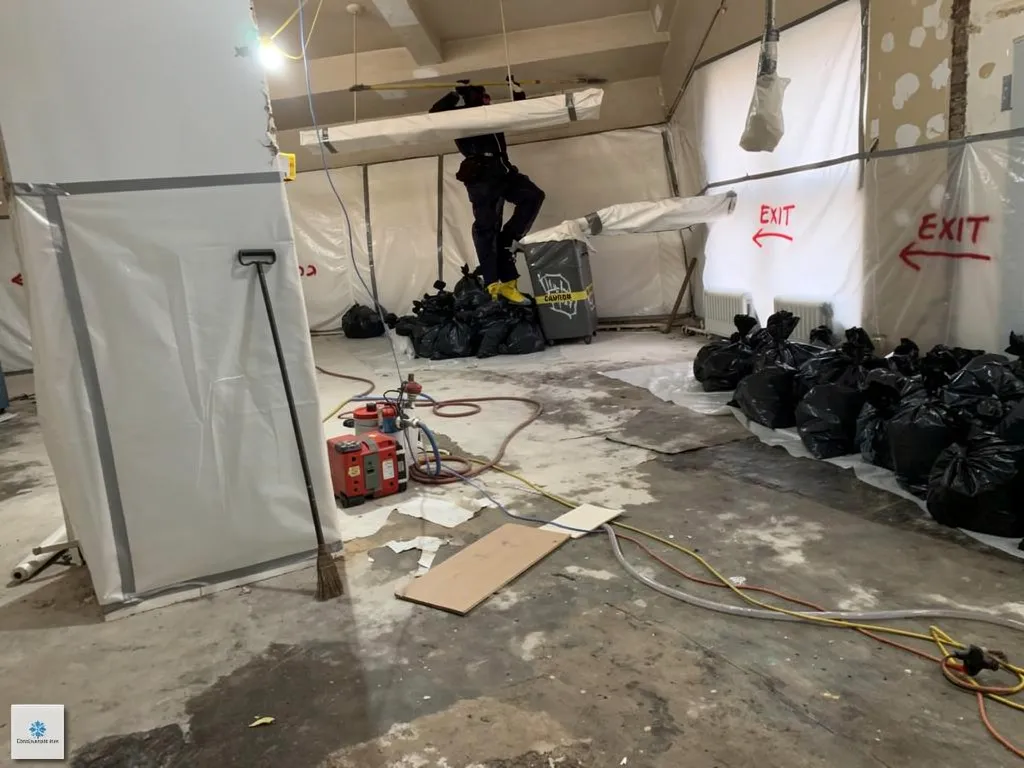
- Homes built before 1980 contain asbestos in cement, floor tiles, insulation, walls, and pipes.
- Renovation work releases toxic asbestos fibers into the air, endangering all household occupants.
- Asbestos fibers resist heat, electricity, and chemicals, making them persistent environmental hazards.
- Brooklyn’s aging infrastructure and historic brownstones present elevated asbestos exposure risks for residents.
Why Asbestos Hides in Older Brooklyn Homes
More than 60 common building materials across Brooklyn properties can contain concealed asbestos. None of them come with visible warning labels. A brownstone in Park Slope, a row house in Bed-Stuy, or a prewar apartment in Brooklyn Heights can look perfectly sound while still harboring dangerous fibers beneath the surface. That gap between appearance and reality is what makes this hazard so persistent.
Age plays the biggest role. Buildings constructed before the 1980s frequently contain legacy asbestos in cement, floor tile, wall insulation, and pipe wrapping. Brooklyn’s housing stock skews older, so this risk touches a large share of the borough’s homes and multi-family buildings.
Renovation work is often the trigger. Every year, thousands of Brooklyn properties undergoing renovation encounter this silent hazard once walls open up or floors get pulled.
Common Locations Where Asbestos Hides in a Brooklyn Home
Common locations include:
- Vinyl and asbestos floor tiles under carpet or newer flooring
- Cement siding and roofing shingles
- Pipe and boiler insulation in basements
- Wall and ceiling plaster in prewar units
Residential Asbestos Inspection Procedures identify these hazards before demolition or renovation begins. Once disturbed, asbestos fibers threaten both occupant health and property value, which is why professional removal remains the only safe path forward.
Health Risks Linked to Asbestos Exposure
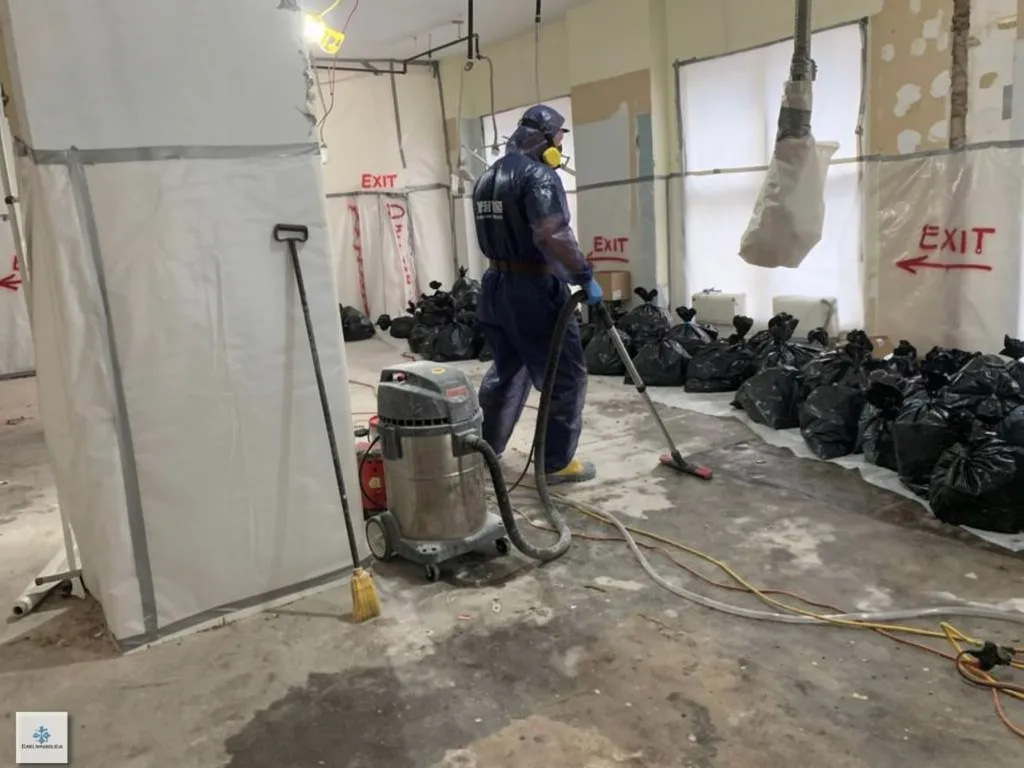
Asbestosis, mesothelioma, and lung cancer top the list of diseases linked to prolonged airborne fiber exposure. These are not minor irritations. Each condition develops slowly, often surfacing decades after fibers first entered the lungs, which makes early detection through proper Residential Asbestos Inspection Procedures so critical for Brooklyn households.
Mesothelioma deserves particular attention. Sustained asbestos exposure remains the leading trigger for this cancer, and no cure currently exists. Once diagnosed, treatment options mainly slow progression rather than reverse it.
Brooklyn’s aging housing stock compounds the danger. Brownstones, row houses, and pre-war apartment buildings frequently hide asbestos in insulation, floor tiles, and roofing materials installed generations ago. Renovation work, storm damage, or simple wear can release fibers into living spaces without warning.
Why Asbestos Exposure Risk Feels Invisible Until It’s Too Late
Symptoms rarely appear right away. Diseases tied to asbestos develop over 10 to 40 years. Residents often breathe contaminated air long before coughing, chest pain, or breathing trouble emerge. By the time symptoms surface, significant lung damage may already exist.
Hidden asbestos in older homes creates real danger for families, tenants, and renovation crews alike. Professional teams offering certified inspection and abatement expertise, paired with thorough knowledge of local regulations, give Brooklyn property owners a safer path forward and lasting peace of mind.
How Professional Home Inspections Uncover Asbestos
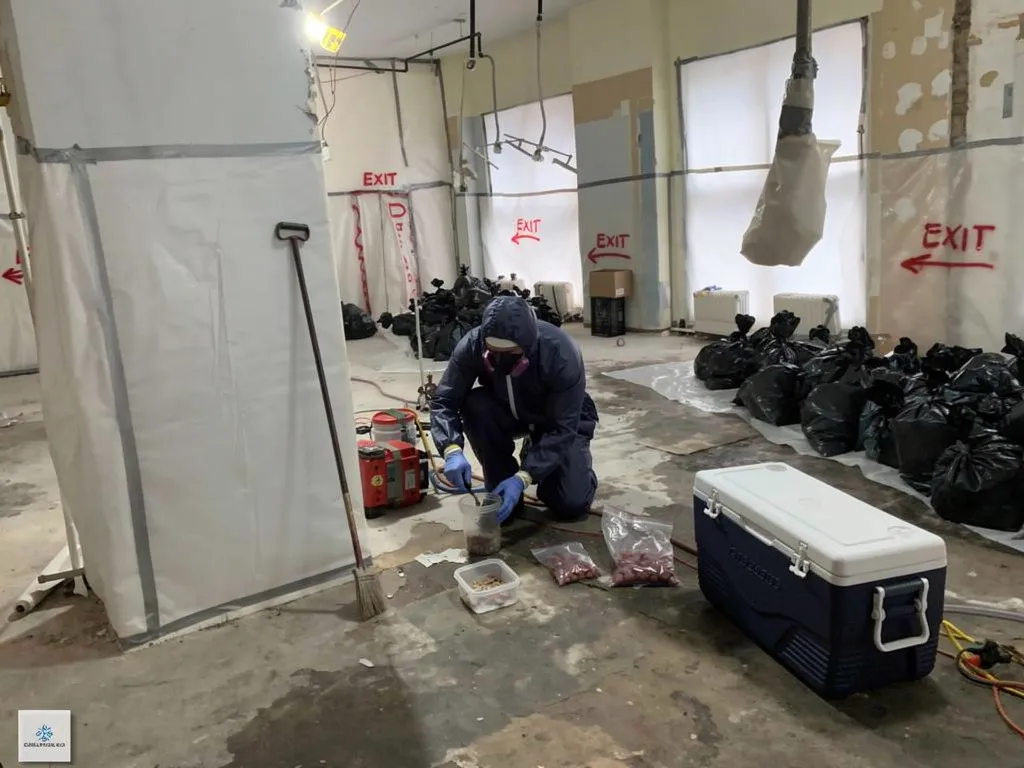
Sight alone cannot confirm asbestos. Trained inspectors collect material samples from suspect areas — old floor tiles, pipe wrap, plaster walls — and send them to accredited laboratories for analysis. No visual shortcut exists; lab testing remains the only reliable way to confirm what’s hiding inside a Brooklyn brownstone or prewar row house.
Residential Asbestos Inspection Procedures follow a consistent path: sample collection, lab confirmation, and a written report homeowners can act on. Certified specialists deliver findings quickly, giving Brooklyn buyers and renovators clear direction instead of guesswork. That prompt, authoritative guidance lets property owners move forward on a renovation timeline or closing date with real confidence, rather than waiting weeks for answers.
What Happens After Asbestos Is Confirmed
Once a lab confirms fibers, the process shifts from detection to action. Rigorous testing pairs with efficient abatement work. Transparent communication throughout, resulting in a fiber-free property that satisfies occupant safety standards and regulatory compliance.
Local Expertise for Brooklyn Asbestos Inspections
Local expertise matters here. Edelweiss Khust serves as a trusted resource for both inspection and precise testing work across Brooklyn, NY, covering brownstones, multi-family buildings, and modern apartments alike. Consultation and inspection scheduling run every day from 7:00 AM to 7:00 PM, making it easier for busy homeowners and property managers to get answers before a renovation begins or a sale closes.
NYC DEP Regulations and Testing Costs Brooklyn Homeowners Should Know
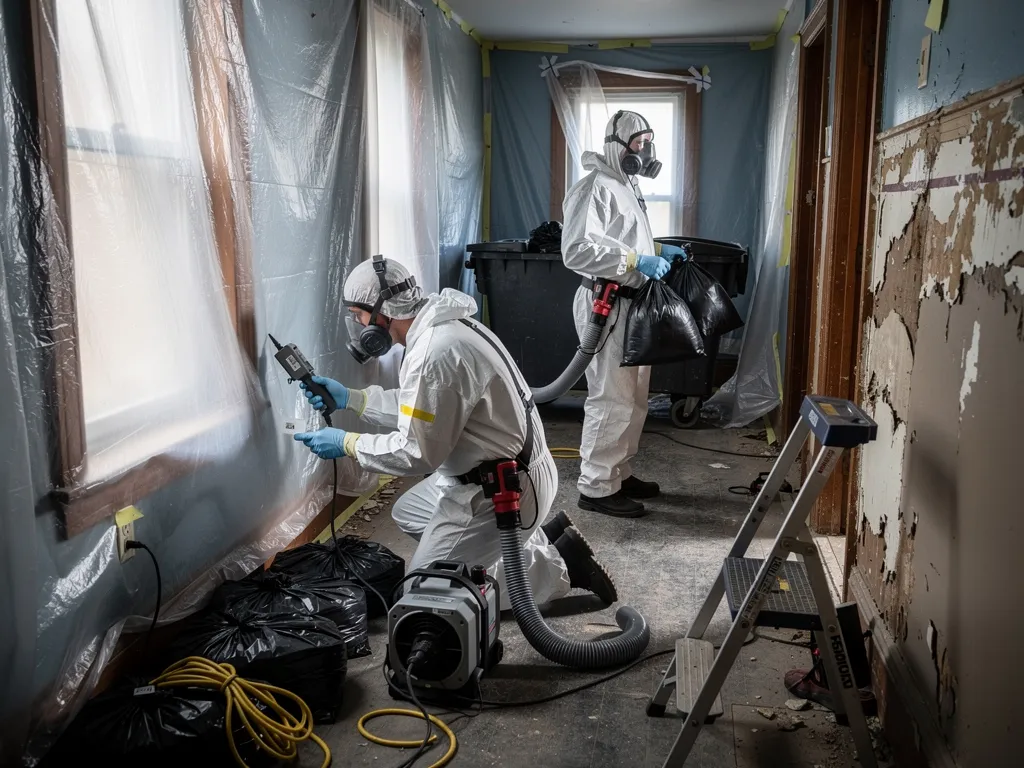
Asbestos work in Brooklyn doesn’t happen in a regulatory vacuum. The NYC Department of Environmental Protection (DEP), together with New York State’s Industrial Code Rule 56, governs how testing, permitting, and abatement must be carried out, while OSHA sets the worker-safety rules — respiratory protection, training, and exposure monitoring — that licensed crews follow on every job site. Edelweiss Khust aligns its procedures with these mandates by using accredited testing labs, maintaining disposal manifests, and handling permit filings and notifications on behalf of clients, which removes a significant administrative burden from homeowners and property managers.
Cost is often the first question Brooklyn homeowners ask. Comprehensive inspections consistent with NYC and NY State safety codes typically run $800 to $1,200, while lab sample fees for one to three samples usually total $250 to $350, depending on complexity and turnaround. Air monitoring during removal or demolition is frequently required to protect worker and public safety and is generally billed as an added service. Requesting an itemized quote up front — inspection, sampling, reporting, and disposal broken out separately — is the simplest way to avoid surprise charges.
For properties facing both asbestos and mold concerns, combined inspections conducted by specialists in both areas streamline site access and produce a single consolidated report with corrective recommendations covering abatement and remediation together.
FAQ
Conclusion
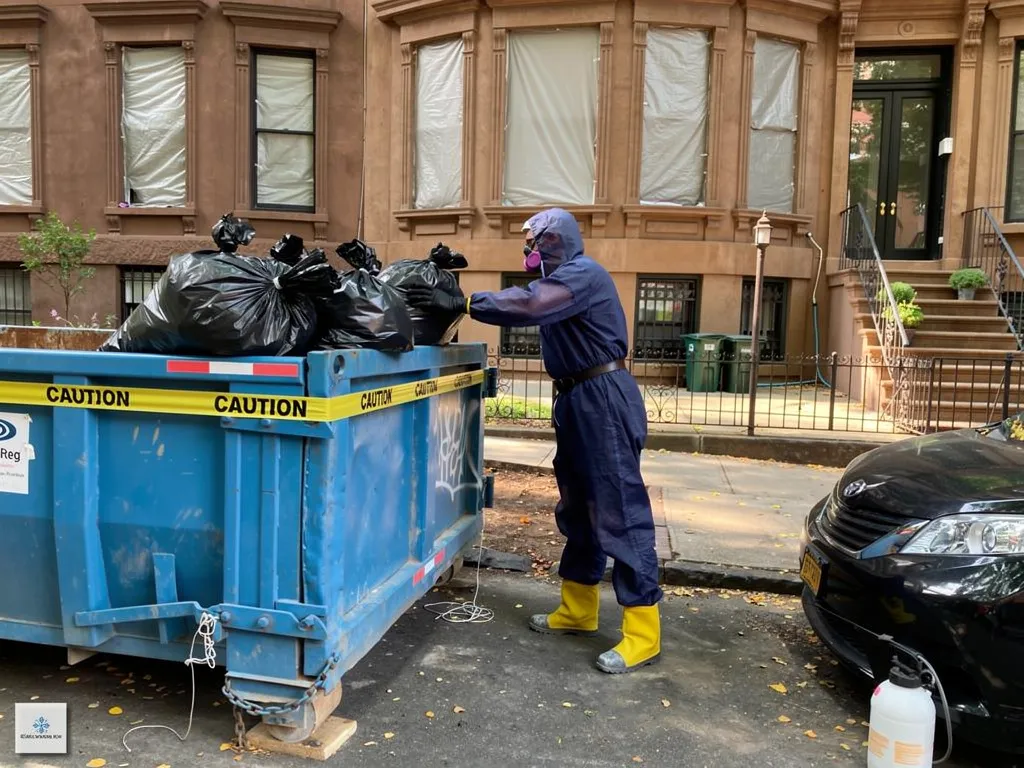
In closing, asbestos poses a genuine health threat to Brooklyn homeowners, but professional assessment and removal eliminate this risk entirely. Edelweiss Khust brings over two decades of expertise to protect your property and family through thorough testing and safe abatement. Taking action today—whether inspecting older homes or addressing known contamination—ensures your Brooklyn residence remains a safe haven for years to come. Trust the licensed professionals who understand your community’s unique housing challenges.