
Asbestos Health Risks in Brooklyn
Asbestos health risks in Brooklyn, NY are a serious concern for homeowners, landlords, and contractors working in the borough’s older housing stock, where hidden fibers in walls, tile, and siding can trigger lung cancer, mesothelioma, and asbestosis once disturbed. Fibers become airborne during renovations, and New York has recorded a significant number of asbestos-related deaths in recent years, a toll tied directly to the estimated 3.5 million tons of asbestos installed in New York schools and public buildings before the state’s 1970 ban. More than 3,000 Brooklyn properties encounter hidden asbestos annually during remodeling, making certified testing and licensed abatement essential before disturbing walls, tile, or siding in any pre-1980 Brooklyn, NY building.
Key Takeaways
- Asbestos exposure has caused a significant number of deaths in New York in recent years, making it a critical health concern.
- Schools contain asbestos in plaster, spray insulation, pipe insulation, and floor and ceiling tiles throughout Brooklyn.
- Asbestos fibers remain indestructible and heat-resistant, persisting in buildings constructed during the 20th century across our service area.
- Everyone experiences some asbestos exposure during their lifetime, but inhalation of concentrated fibers creates serious respiratory disease risks.
Why Older Brooklyn Buildings Hide Asbestos Risk
Manufacturers built asbestos into more than 3,000 different products throughout the twentieth century, favoring the mineral for insulation and fireproofing. Brooklyn’s older housing stock absorbed these materials into walls, pipes, and floors during construction booms that predate modern safety standards. Asbestos health risks Brooklyn property owners face today trace directly back to those decades of widespread use.
New York City banned asbestos in 1970, but the damage was already done. An estimated 3.5 million tons had been installed in schools and public buildings statewide before the 1970 ban. Brooklyn’s residential buildings absorbed comparable volumes during the same construction era. That legacy sits quietly behind plaster, tile, and pipe wrap in buildings that never received a proper remediation.
The federal government followed years later with the Asbestos Hazard Emergency Response Act and EPA regulations governing how the material must be handled during renovation. Demolition, but these rules apply going forward; they do nothing to remove asbestos already sealed inside a building’s walls, floors, or mechanical systems. Brooklyn’s brownstones, multifamily walk-ups, and prewar apartment buildings are exactly the housing stock these regulations were written to address: most were built well before 1970, meaning any wall, ceiling, or basement pipe that hasn’t been specifically tested should be treated as a potential source until a certified inspector confirms otherwise.
Hidden Asbestos in Brooklyn Renovations Is Common
More common than most owners expect. Every year, more than 3,000 Brooklyn properties undergoing renovation run into hidden asbestos, often discovered only after demolition begins.
Warning Signs Property Owners Should Watch For
- Aging plaster walls or ceiling tiles in older buildings
- Pipe and boiler insulation that looks brittle or crumbling
- Flooring materials scheduled for removal during renovation
Two decades of hands-on experience identifying these materials gives Brooklyn owners a reliable path toward tried-and-true removal solutions before renovation work turns dangerous.
Diseases Linked to Asbestos Exposure
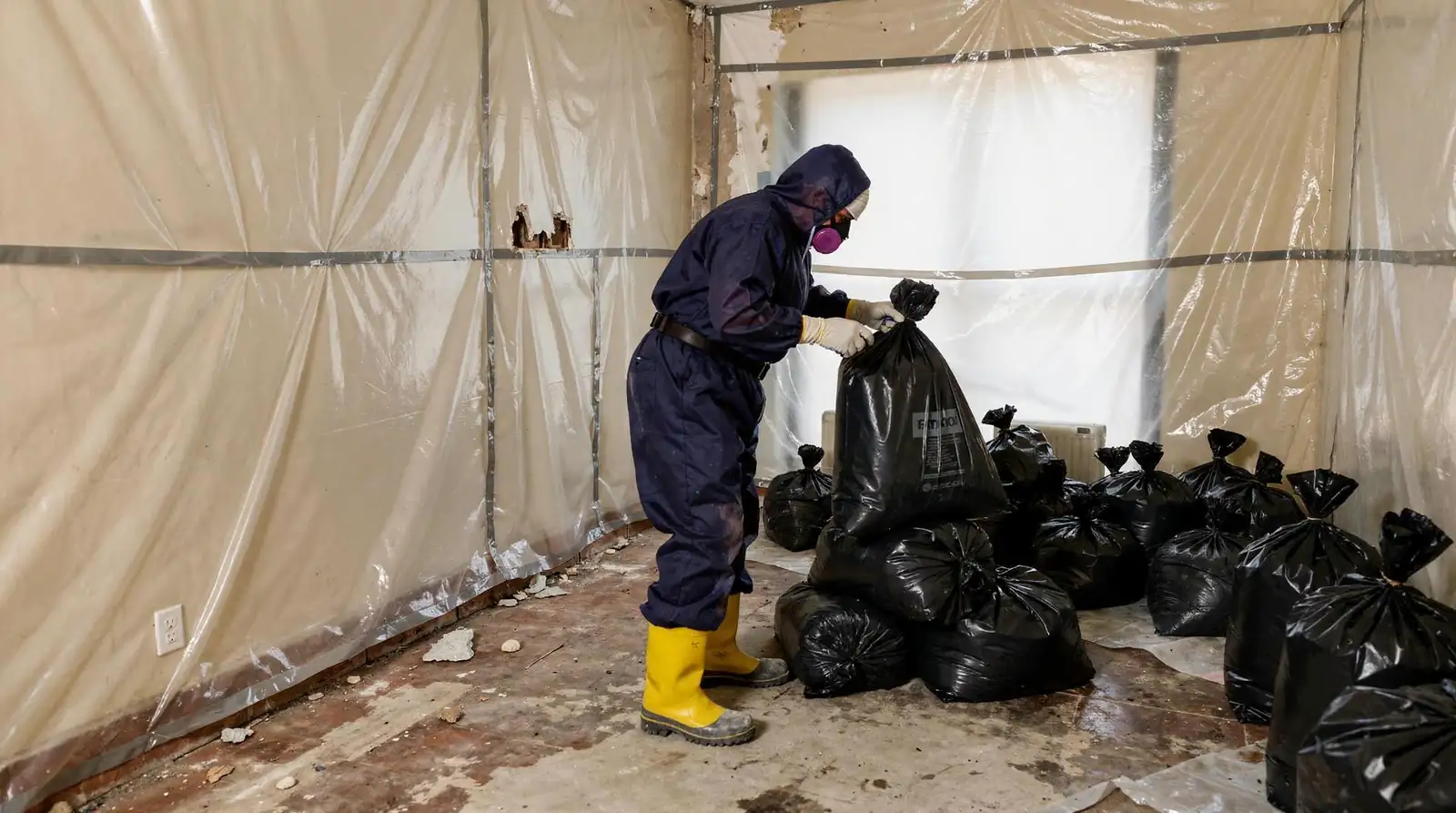
Lung cancer, digestive tract cancer, mesothelioma, and asbestosis top the list of illnesses linked to inhaled asbestos fibers. Older Brooklyn homes and buildings often conceal asbestos in plaster, insulation, and flooring, and disturbing these materials during renovation creates asbestos health risks Brooklyn property owners cannot afford to ignore. Mesothelioma, a cancer affecting the lining of the lungs or stomach, develops years after fiber inhalation. Asbestosis causes permanent lung scarring and breathing difficulty.
Exposure severity matters. Greater and more prolonged contact with airborne fibers raises the odds of long-term harm significantly. A brief disturbance during a small repair carries different stakes than years of exposure in a poorly maintained building.
Latency compounds the danger. Mesothelioma and other asbestos-related diseases often take 20 to 50 years to appear after initial exposure. Symptoms surfacing today can trace back to contact from decades earlier, a pattern that fits Brooklyn’s older housing stock, where fibers disturbed during a single renovation in the 1980s or 1990s could still be driving diagnoses now. This latency period is also why regular exposure monitoring and prompt symptom reporting matter for anyone who has worked in or renovated pre-1980 buildings.
The human toll is documented, not theoretical. A significant number of New Yorkers have died from asbestos-related illnesses in recent years, including mesothelioma and lung cancer cases.
Asbestos Risk Changes When Materials Are Disturbed
Bonded, intact asbestos poses far less risk than material that has been cut, sanded, or crumbled during a renovation project. Danger escalates once fibers become airborne and breathable. Landlords and contractors working in older Brooklyn buildings should assume older materials contain asbestos until testing confirms otherwise.
Diseases linked to asbestos fiber inhalation:
- Lung cancer
- Digestive tract cancer
- Mesothelioma
- Asbestosis (lung scarring)
How Brooklyn Owners Should Respond To Asbestos Risk
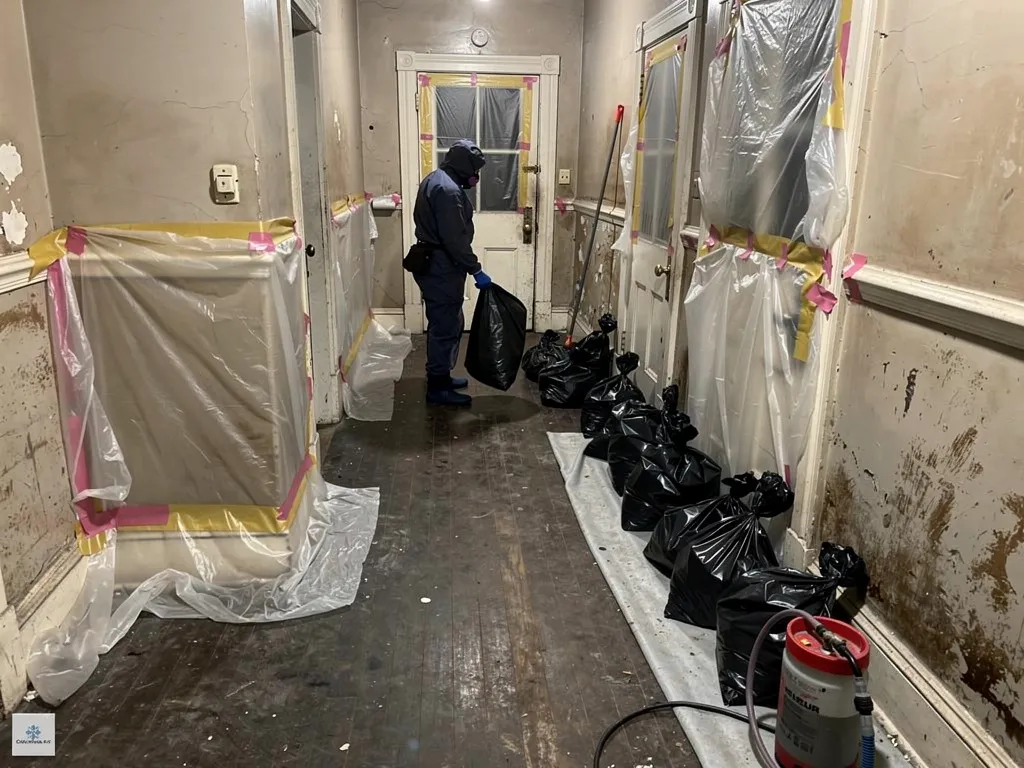
Brooklyn property owners facing suspected asbestos should schedule certified testing before any renovation touches old plaster or tile. Delayed action raises the asbestos health risks Brooklyn landlords and tenants face daily, letting fibers drift into shared hallways, basements, and neighboring units. Waiting rarely reduces exposure; it multiplies it.
Professional removal addresses the danger at its source. Trained abatement teams eliminate contamination completely. Follow strict regulatory requirements, delivering lasting peace of mind instead of a temporary patch job. Compliance failures invite fines, lawsuits, and stalled renovation permits; costs steeper than proper abatement ever runs.
What A Brooklyn Owner Should Look For In An Abatement Provider
Selection matters as much as speed. In Brooklyn, NY, qualified asbestos inspectors and abatement contractors must hold certification from the New York State Department of Health and comply with the NYC Department of Environmental Protection’s Asbestos Control Program (ACP-5), so confirming those credentials up front protects both the property and the timeline. A qualified provider should offer:
- Certified crews who follow OSHA and EPA standards without exception
- Cutting-edge containment methods that seal fibers inside the work zone
- Full New York licensing and insurance, guaranteeing dependable service and clear accountability
- Rigorous testing paired with transparent communication throughout the project
Meeting these standards produces a fiber-free environment that protects tenants and preserves long-term property value.
When Owners Can Reach A Provider For Guidance
Questions about aging plaster, old tile, or damaged insulation rarely wait for business hours. Edelweiss Khust Inc, based in Brooklyn, NY, brings more than 25 years of experience to the borough’s asbestos testing and abatement work, backed by full licensing, insurance, and BBB A+ accreditation. The team answers calls every day from 7:00 AM to 7:00 PM, giving Brooklyn owners a direct line to guidance the moment concerns surface.
Regulatory Standards Governing Asbestos in Brooklyn, NY
Asbestos work in Brooklyn, NY sits under overlapping federal, state, and city oversight, and understanding who enforces what helps owners confirm a provider is operating by the book:
- New York State Department of Health: certifies asbestos inspectors working in Brooklyn, verifying training in identification and management before an inspector can legally assess a property.
- NYC Department of Environmental Protection (Asbestos Control Program, ACP-5): governs asbestos inspection, notification, and abatement procedures specific to New York City buildings, including Brooklyn’s brownstones and multifamily housing.
- U.S. Environmental Protection Agency (EPA): sets hazardous waste handling and disposal standards under the Asbestos Hazard Emergency Response Act, and requires accredited laboratory analysis of collected material and air samples.
- Occupational Safety and Health Administration (OSHA): mandates worker protection protocols, including PPE and containment procedures, for anyone performing abatement work.
For a Brooklyn, NY property owner, confirming a contractor’s compliance across all four of these bodies (rather than just one) is the clearest sign of a legitimate, safety-first abatement provider.
FAQ
Conclusion
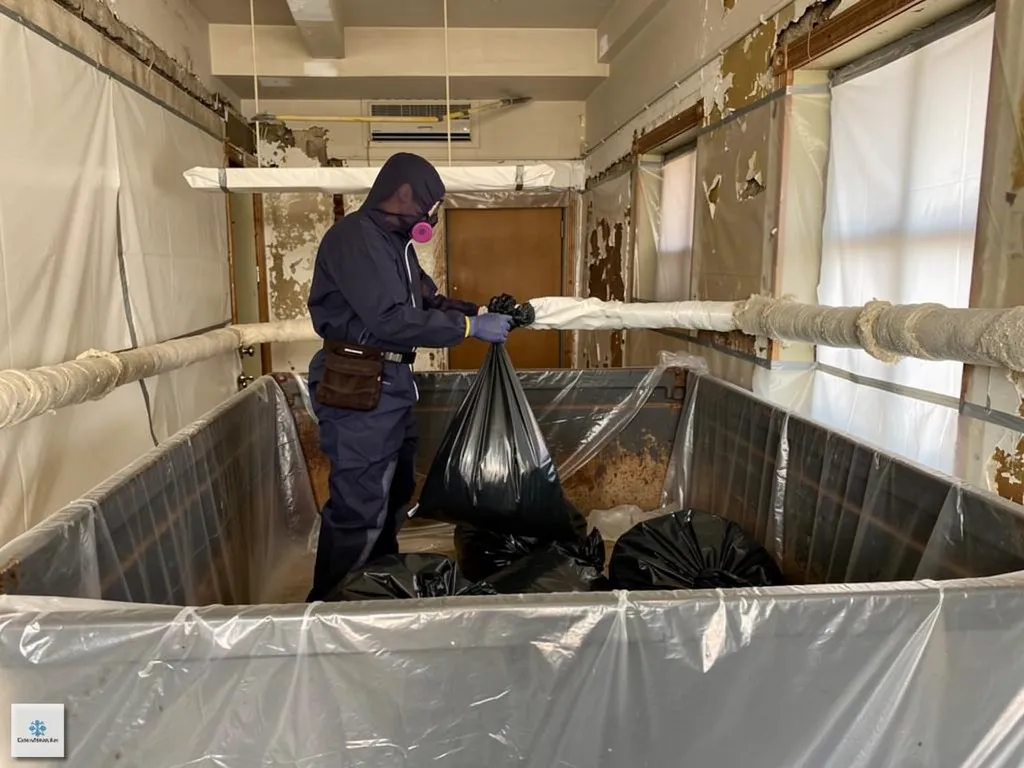
Asbestos health risks in Brooklyn, NY are an active concern for any pre-1980 property, not a distant worry reserved for old, abandoned buildings. Knowing where these materials hide, from cracked plaster to aging pipe insulation, gives homeowners, landlords, and contractors the ability to catch a hazard before a routine renovation turns into a health emergency. Suspecting asbestos in a home or business is reason enough to bring in certified testing and licensed abatement: doing so protects the people using the space and keeps the project compliant with New York’s environmental standards for years to come.
Conclusion
In closing, asbestos exposure remains a serious health concern for Brooklyn homeowners and businesses, particularly in older properties where hazardous materials often go unnoticed. Protecting your household or workplace requires vigilance, professional testing, and thorough abatement performed to strict safety standards. Our team draws on decades of hands-on experience to identify risks early and resolve them with precision and care. Safeguarding indoor air quality is not a one-time task but an ongoing commitment, and we stand ready every day to help Brooklyn residents breathe easier and live with greater peace of mind.