
Safe & Affordable Asbestos Removal
Asbestos in Brooklyn properties presents a real, addressable hazard that requires professional attention to protect occupants, preserve property value, and meet regulatory obligations. This article explains why hiring local asbestos removal services in Brooklyn reduces exposure risk, ensures compliance with NYC and New York State rules, and often costs less in the long run than improper DIY work. You will learn where asbestos commonly appears in Brooklyn homes and commercial buildings, how licensed contractors perform testing, containment, abatement, air monitoring and clearance, and what regulations and cost drivers typically apply. The guide also compares the most common asbestos-containing materials found in brownstones and mid-century apartments, outlines the step-by-step removal process designed to secure clearance certification, and highlights specific regulatory touchpoints with NYC DEP, NYS DOH, and OSHA. Throughout, we integrate practical checklists and tables to help property owners make informed decisions and to show how certified local providers balance safety, speed, and costs. If you need to evaluate a suspected asbestos situation in Brooklyn, this resource gives the procedural, regulatory and cost context to move forward confidently.
Why Choose Local Asbestos Removal Services in Brooklyn?
Local asbestos removal contractors bring neighborhood-specific knowledge and faster mobilization that reduce fiber spread, speed containment, and facilitate regulatory filings. A Brooklyn-focused contractor understands the construction types, typical locations of asbestos-containing materials (ACMs) in brownstones, loft conversions, and multi-unit pre-war buildings, and can tailor containment sequencing to limit disruption and cross-contamination. Working with local teams also shortens response time for emergencies and allows direct coordination with municipal inspectors, which accelerates permit and clearance steps. Below is a concise list of core advantages that local specialists provide when handling asbestos removal in Brooklyn.
Local asbestos removal offers primary local benefits:
- Local regulatory knowledge: Contractors understand NYC DEP and NYS DOH filing and permit expectations.
- Faster emergency response: Local crews mobilize quickly to contain sudden disturbances and reduce exposure.
- Site-specific experience: Familiarity with Brooklyn building types leads to more effective containment plans.
- Community trust and accountability: Local providers are easier to verify and follow up with after clearance.
These advantages matter because faster, compliant interventions reduce health risk and preserve property value, and the next section explains how local expertise concretely improves safety on Brooklyn job sites.
How Does Local Expertise Improve Asbestos Removal Safety?
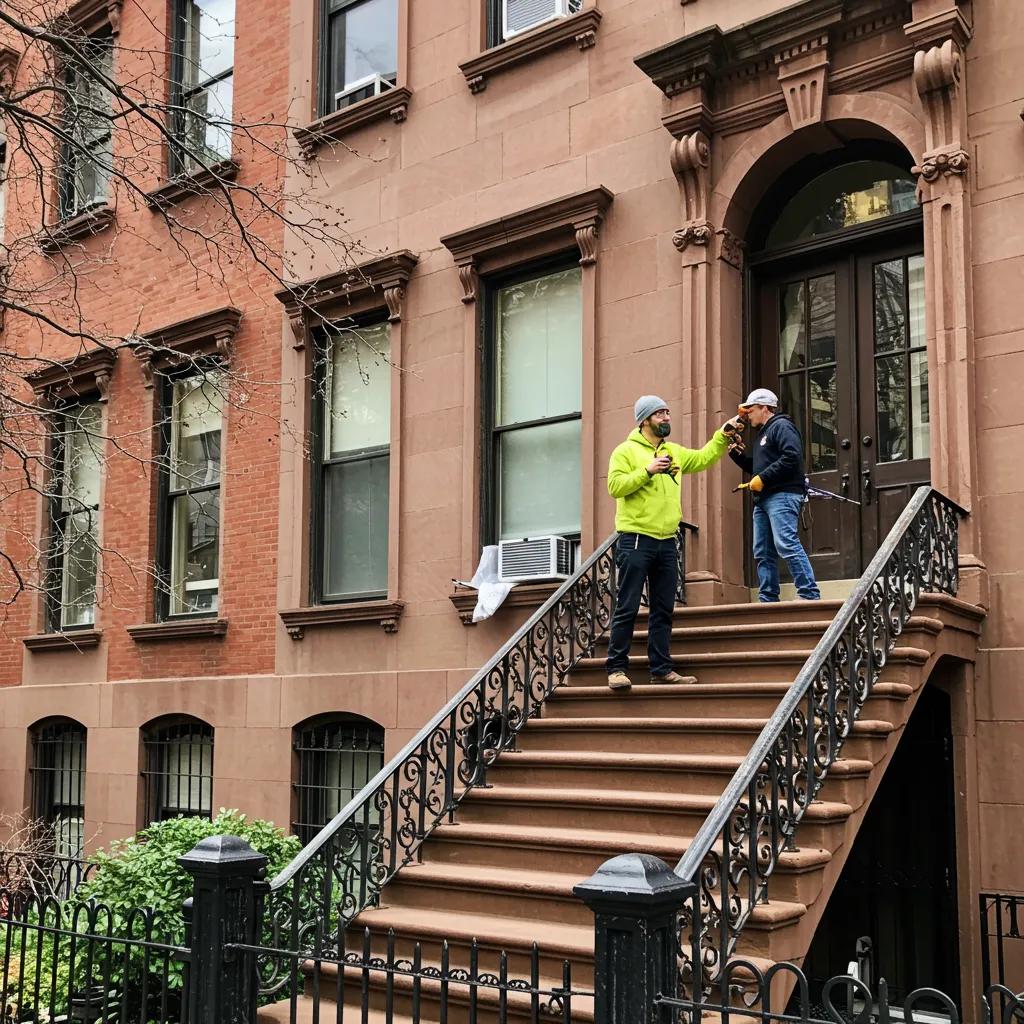
Local expertise improves asbestos removal safety by aligning containment methods to common Brooklyn construction patterns, selecting controls that reduce fiber liberation, and sequencing work to protect adjacent units. For example, in pre-war brownstones where plaster and textured ceilings are common, a crew familiar with local practices will stage negative-pressure zones and decontamination units to prevent whole-house contamination during ceiling remediation. This targeted approach relies on trained technicians who know where friable materials are likely to be encountered and how to adapt engineering controls to narrow stairwells and shared HVAC systems. Understanding these local constraints reduces airborne fiber spread, shortens project duration, and leads directly into the next topic: why fast emergency response is critical.
What Are the Advantages of Rapid Emergency Response in Brooklyn?
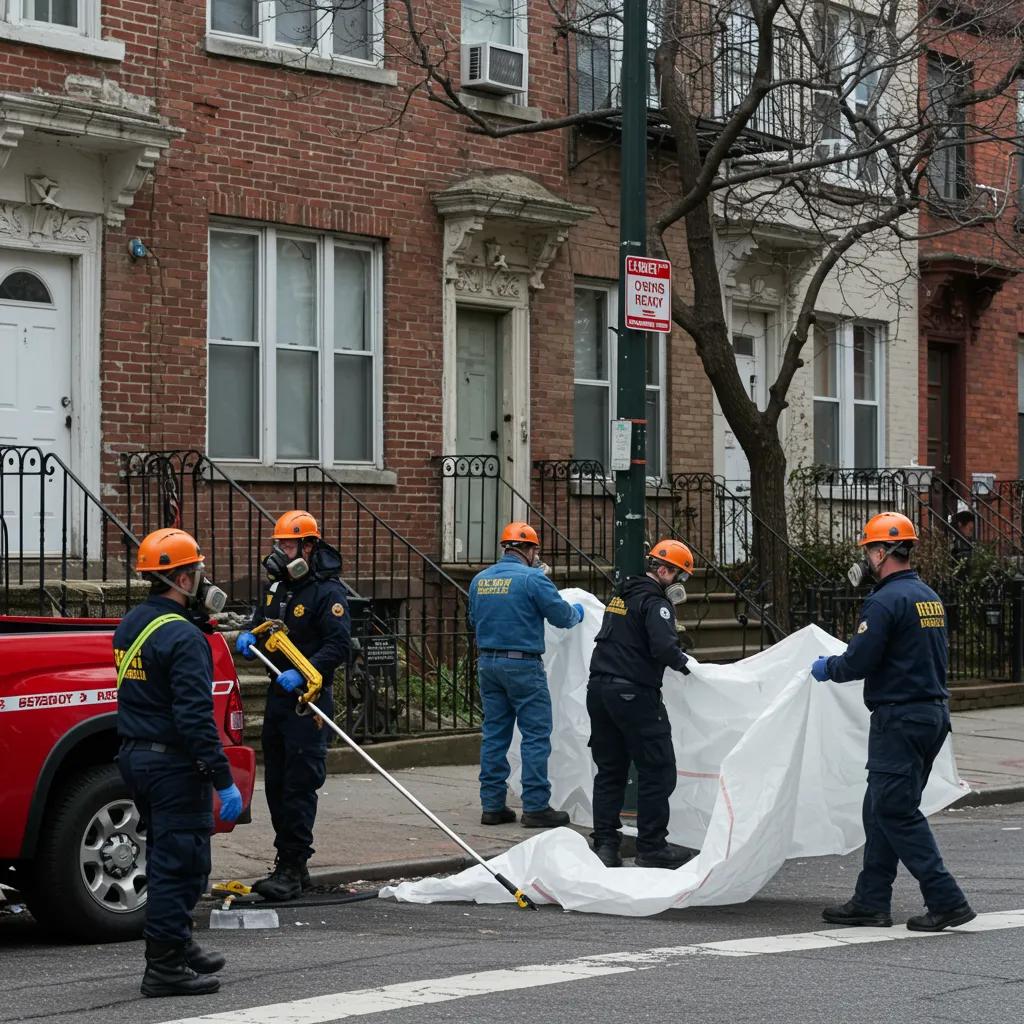
Rapid emergency response minimizes occupant exposure, limits contamination of shared spaces, and prevents costly secondary cleanup when ACMs are accidentally disturbed. When a renovation, storm damage, or contractor error releases fibers, a nearby certified crew can establish containment and initiate air monitoring the same day, lowering the window of uncontrolled exposure. Quick action also reduces disruption to neighbors and often eliminates the need for extensive post-incident remediation that would otherwise inflate costs. Because timely containment is essential, property owners should confirm a contractor’s emergency protocols before starting any work, which leads to how payment flexibility influences timely professional remediation.
How Do Flexible Payment Plans Benefit Brooklyn Property Owners?
Flexible payment plans make professional asbestos abatement accessible when urgent removal is necessary but owners face budget constraints that might otherwise encourage risky DIY attempts. By permitting deposits and installment arrangements, reputable contractors help homeowners schedule necessary remediation promptly rather than delay action that increases exposure risk. Payment flexibility also supports phased work on larger projects, enabling owners to prioritize high-risk areas first and schedule lower-risk removals later without forfeiting regulatory compliance. Understanding cost and payment options prepares owners to request reliable quotes and keeps the focus on safety rather than affordability barriers.
This table summarizes how local benefits translate into measurable value for property owners. The comparative view clarifies why local contractors often yield safer, faster outcomes in Brooklyn projects.
What Are the Common Types of Asbestos Found in Brooklyn Properties?
Asbestos-containing materials in Brooklyn typically include floor and vinyl composite tiles, popcorn ceilings and textured coatings, pipe insulation, siding panels, and roofing components; each material carries different disturbance and disposal risks. Recognizing the common ACM types helps owners prioritize testing and hire contractors with the appropriate removal experience for the specific material.
Common asbestos-containing materials and typical locations:
- Floor tiles and adhesive: Often in kitchens and vestibules in mid-century apartments and commercial spaces.
- Popcorn ceilings and textured coatings: Frequently in pre-1980 units and plaster ceilings undergoing renovation.
- Pipe insulation and HVAC lagging: Present in mechanical rooms, basements, and older multi-unit buildings.
- Siding and roofing panels: Found on exterior facades and roof assemblies in mixed-use and older residential buildings.
Identifying the ACM type is the first step toward appropriate testing; the following subsection explains where to look by building type and why testing is advisable before renovation.
Where Is Asbestos Typically Found in Brooklyn Homes and Buildings?
Asbestos commonly appears in locations that were standard building materials before the late 1970s: floor tiles in kitchens and hallways, textured ceilings in living areas, insulating materials around boilers and hot water pipes, and certain roofing or siding panels on older structures. In Brooklyn brownstones, textured ceiling finishes and patchwork floor tiles are frequent suspects, while mid-century walkups may have vinyl composition tiles and older adhesives containing asbestos. Before demolition or renovation, targeted bulk sampling and laboratory analysis clarify presence and extent, preventing accidental disturbance that could send fibers into living spaces.
How Does Edelweiss Khust Inc Handle Asbestos Tile and Popcorn Ceiling Removal?
Edelweiss Khust Inc approaches tile and popcorn ceiling removal with a standardized sequence: confirm presence through testing, establish engineering controls and containment, follow regulated abatement protocols, and perform post-work air monitoring to achieve clearance. Their crews apply HEPA filtration, regulated waste packaging, and documented clearance testing to ensure the area is safe for re-occupancy. This implementation example shows how experienced local teams translate testing results into practical abatement steps that minimize fiber release and meet regulatory expectations for disposal and documentation.
What Are the Risks of DIY Asbestos Removal in Brooklyn?
Attempting DIY asbestos removal risks significant airborne fiber release, uncontrolled contamination of adjacent units, improper waste handling, and potential enforcement actions for non-compliant disposal. Untrained individuals lack the equipment and procedures—negative pressure, HEPA vacuums, sealed waste containment—that reduce airborne concentrations during removal, increasing long-term health risks like mesothelioma and asbestosis for occupants and neighbors. Legal consequences can also follow if waste is improperly transported or disposed of, which underscores the necessity of professional testing, containment and licensed removal for suspected ACMs.
How Does the Professional Asbestos Removal Process Work in Brooklyn?
Professional asbestos removal follows a defined progression: inspection and testing to identify ACMs, engineered containment and abatement to remove or encapsulate the materials, followed by air monitoring and clearance certification confirming safe re-occupancy. Each step is performed by trained personnel using controls such as negative pressure units, HEPA filtration, personal protective equipment, and regulated packaging for disposal to reduce worker and occupant exposure. The numbered steps below provide a snippet-friendly overview designed to clarify immediate next actions for property owners and to serve as a checklist when hiring a contractor.
- Inspection and testing to determine the presence and condition of ACMs.
- Containment setup (barriers, negative pressure, decon units) to isolate the work area.
- Abatement and removal using wet methods, HEPA vacuums, and controlled sequencing.
- Air monitoring during and after work to measure fiber concentrations.
- Clearance certification documenting that airborne fibers meet re-occupancy criteria.
These steps form a logical procedural chain; the next subsection describes inspection and testing details that determine the scope of work and compliance obligations.
What Are the Steps of Asbestos Testing and Inspection in Brooklyn?
Testing and inspection begin with a visual survey and targeted bulk sampling by certified technicians, followed by laboratory analysis to confirm asbestos type and concentration. Bulk samples determine ACM presence and guide abatement scope, while air samples may be collected pre- and post-abatement to create baseline and clearance data. Typical turnaround times vary, but owners should expect expedited lab results to inform scheduling and containment planning. Accurate testing reduces unexpected scope changes during abatement and is therefore foundational to the removal process.
How Is Safe Asbestos Containment and Abatement Ensured?
Safe containment uses physical barriers, negative-pressure ventilation, decontamination units for workers, appropriate PPE, and dust suppression techniques to prevent fiber migration beyond the work zone. Abatement crews implement wet methods, careful sequencing, and HEPA-filtered vacuums to capture loose fibers at the source. Waste is packaged in regulated bags and stored in labeled containers pending transport to approved disposal facilities to avoid secondary contamination. These controls protect occupants and neighbors and set up the final phase of air monitoring and clearance.
What Happens During Air Monitoring and Clearance Certification?
Air monitoring involves objective sampling to quantify airborne asbestos fibers before, during and after abatement to verify the effectiveness of containment and removal procedures. Post-abatement clearance samples are compared against regulatory criteria to determine whether the area is safe for re-occupancy; the resulting clearance documentation provides owners and tenants with formal proof of safe conditions. This certification is essential for property transactions, tenant re-entry and municipal closeouts, and it completes the compliance loop that began with inspection and testing.
What Are the Health Risks of Asbestos Exposure for Brooklyn Residents?
Asbestos exposure primarily causes long-latency respiratory diseases including mesothelioma, lung cancer, and asbestosis; inhaled fibers lodge in lung tissue and can trigger inflammation, scarring, and malignant changes years after exposure. Understanding these health mechanisms is crucial to appreciating why controlled professional removal and clearance testing are necessary to prevent chronic disease. Current research and occupational health guidance emphasize that minimizing airborne fiber concentrations through containment and monitoring reduces lifetime risk, and the next paragraph explains the biological link between fiber inhalation and disease development.
Asbestos Abatement Impact on Construction Industry: Costs and Worker Exposure
The purpose of this report is to examine the impact of asbestos abatement on the construction industry. It is estimated that the cleanup effort may cost 100 billion over the next twenty five years. More than 733,000 structures, or twenty percent of U. S. commercial and public properties are believed to contain asbestos. Some of the material is in a friable state. This asbestos is crumbling into microscopic fibers that can float in through the air. The use of asbestos was restricted after high doses of its fibers were found to scar lungs, causing cancer and other diseases. Construction businesses use 50 percent of the U. S. supply of asbestos in asbestos cement pipes, sheets, siding shingles, floor tiles, coatings, and sealants. Some 29,000 workers install asbestos insulation during building construction. Other estimates of exposed workers include 20,400 in demolition, 67,800 in abatement, 82,500 in general building renovation, 135,700 doing routine maintenance in buildings, and 183,200 in routine maintenance in general industry. The demand for asbestos removal services exceeds the ability of the industry to supply it safely. Asbestos management and removal are major issues for the construction industry world wide.
Asbestos Removal in the Construction Industry., 1991
The widespread use of asbestos in construction materials and the significant number of workers exposed highlight the critical need for professional abatement services to manage these risks effectively.
How Does Asbestos Exposure Cause Mesothelioma, Lung Cancer, and Asbestosis?
When asbestos fibers are inhaled, they penetrate deep into the lung and pleural tissue where the body struggles to clear them, causing persistent inflammation and fibrotic response that can lead to asbestosis; DNA damage and chronic irritation may initiate malignant transformation resulting in lung cancer or mesothelioma decades later. Latency periods are long, which means that exposure during renovation or demolition can produce health consequences many years after the event. Preventing exposure through professional testing, containment and clearance significantly reduces the probability of these outcomes for building occupants.
Why Is Professional Removal Critical to Prevent Respiratory Diseases?
Professional removal reduces airborne concentrations through proven engineering controls and documented clearance, preventing household-wide contamination and protecting neighbors in multi-unit structures. Professionals use HEPA filtration, negative pressure, and established work sequencing that non-professionals typically cannot replicate, which prevents the chronic low-level exposures that contribute to disease over decades. Clearance testing provides an objective metric showing when it is safe to re-occupy, serving as both a health and legal safeguard that homeowners and landlords should insist upon.
How Can Early Detection and Testing Protect Brooklyn Families?
Early detection via targeted testing before demolition, renovation or property transfer enables owners to plan controlled abatement rather than react to accidental disturbance, reducing both immediate hazards and long-term health risk.
- Identifying suspect materials
- Avoiding disturbance
- Scheduling certified bulk sampling
- Obtaining a written report that outlines recommended abatement steps
What Are the Brooklyn-Specific Regulations for Asbestos Removal?
Brooklyn projects must comply with a set of overlapping regulatory requirements from agencies such as NYC DEP, NYS DOH, and OSHA; these regulations cover licensing, work practices, notifications, worker safety, and disposal. Compliance ensures legal protection for owners, protects worker health, and reduces community exposure risk; understanding which agency governs each requirement helps owners verify contractor credentials and required documentation. Below are concise bullet points summarizing each agency’s primary role and the action typically required of contractors.
- NYC DEP: Manages local environmental permitting and some demolition/renovation notifications for city projects.
- NYS DOH: Oversees licensing and certification of asbestos abatement contractors and technicians in New York State.
- OSHA: Enforces worker safety standards on construction and abatement sites, including respiratory protection and training.
These agency roles explain why licensed technicians and documented procedures are essential; the next subsection lists which standards contractors must follow in practice.
Which NYC DEP, NYS DOH, and OSHA Standards Must Local Contractors Follow?
Local contractors must follow NYS DOH licensing and procedural requirements for abatement, comply with NYC DEP notification and disposal instructions where applicable, and meet OSHA safety standards for worker protection and exposure monitoring. In practice this means documentation of technician certifications, established work practices for containment and PPE, and adherence to waste handling and transport rules that prevent unauthorized disposal. Verifying that a contractor follows these standards is an important part of hiring decisions and sets expectations for the documentation clients will receive.
How Does Edelweiss Khust Inc Ensure Full Regulatory Compliance?
Edelweiss Khust Inc follows the regulatory checkpoints indicated by local authorities by employing certified specialists, maintaining insurance coverage, and referencing the required city and state agency standards during project planning and execution. The company emphasizes certified technicians and regulatory compliance as core operational principles and provides documented testing and clearance results to clients upon completion. Requesting these compliance documents during the estimate phase helps owners verify that the contractor will manage the project in alignment with NYC DEP, NYS DOH and OSHA expectations.
What Are the Legal Consequences of Non-Compliance in Brooklyn?
Non-compliance with asbestos regulations can result in enforcement actions by the relevant agencies, remediation orders requiring additional work, and potential liability for improper disposal or worker exposure. While specific penalties vary and are determined by authorities, the practical consequences include project delays, increased remediation costs, and reputational damage for property owners and contractors. Ensuring licensed, documented work protects owners from these downstream legal and financial risks.
How Much Does Asbestos Removal Cost in Brooklyn?
Asbestos removal cost in Brooklyn varies based on material type, square footage, containment complexity, accessibility, and disposal requirements; average ranges depend on these drivers and cannot be fixed without an on-site estimate. For quick decision-making, owners should expect the primary influencers of price to be ACM type (friable vs. non-friable), the need for negative-pressure containment, the number of samples and air monitoring events, and whether tenant relocation is required. Below is a focused list of the most common cost factors that explain price variability and help owners prepare for accurate quotes.
Primary cost-influencing factors:
- ACM type and friability: Friable materials require more controls and increase labor.
- Accessibility: Tight or multi-level access raises labor intensity and time.
- Containment complexity: Full negative-pressure systems and decontamination units add costs.
- Disposal and transport: Regulated disposal and landfill fees influence total project pricing.
Understanding these factors clarifies why an on-site inspection and lab testing are essential for a firm price; the following subsection explains how free estimates and flexible payments typically work in practice.
What Factors Influence Asbestos Removal Pricing in Brooklyn?
Pricing is driven by the type and extent of ACMs, site accessibility, containment requirements, required air monitoring, and waste disposal logistics. Projects with friable materials, multiple sample points, and complex tenant coordination generally command higher quotes because they require more labor, equipment, and agency coordination. Emergency response work and phased projects can also carry premiums due to expedited scheduling and overtime. Accurately documenting these drivers helps contractors produce defensible estimates and scope definitions.
How Do Free Estimates and Flexible Payment Plans Work?
Many local asbestos contractors offer free on-site inspections and written estimates to define scope, testing needs, and projected steps required for compliance and clearance; owners should ask for itemized scopes that separate testing, containment, abatement, monitoring, and disposal. Flexible payment plans, when available, typically allow deposits and staged payments tied to project milestones rather than specific financing terms invented here; requesting written payment terms and a clear schedule of work ensures transparency and reduces the temptation for unsafe DIY work. For urgent needs, owners should verify emergency response availability during estimate discussions.
What Is the Average Cost Range for Residential and Commercial Properties?
Average cost ranges vary widely across projects and are best understood as benchmarks rather than fixed rates; local market conditions, scope and ACM type determine where a project will fall within a range. Because every removal requires testing and a tailored containment plan, obtaining an on-site estimate is the most reliable way to determine expected costs. Property owners should use average benchmarks for initial budgeting and then secure a formal estimate that reflects actual testing and site constraints.
Why Trust Edelweiss Khust Inc for Brooklyn Asbestos Removal
Edelweiss Khust Inc presents itself as a Brooklyn-based environmental services lead generation and information hub for expert asbestos removal and abatement, emphasizing licensed technicians, certifications aligned with state and city agency expectations, and service features designed to support timely remediation. The company highlights certified specialists, rapid emergency response, free estimates, flexible payment plans, and a focus on regulatory compliance as central trust signals for property owners evaluating contractors. For homeowners and managers seeking documented safety and regulatory alignment, requesting the company’s certification proof and clearance documentation is a practical next step.
What Certifications and Experience Does Edelweiss Khust Inc Hold?
According to available company information, Edelweiss Khust Inc references licensing and certifications consistent with NYS DOH, NYC DEP and OSHA-related expectations and positions certified specialists as part of its service delivery. The company frames regulatory compliance and certified personnel as core to its approach, which helps clients requiring documented abatement and clearance to verify that technicians meet recognized training and licensing standards. Asking for copies of certifications during the estimate process gives owners added assurance before work commences.
How Do Customer Testimonials Reflect Service Quality and Satisfaction?
Client feedback themes associated with the company emphasize safety, responsiveness, and thoroughness, indicating that past clients value documented procedures and timely mobilization. While individual quotes should be reviewed on the company’s public pages, these thematic testimonials help prospective clients understand common performance attributes such as rapid response, clear communication, and compliance-focused practices. Reviewing testimonials alongside clearance documentation provides a comprehensive view of operational quality when selecting a contractor.
What Guarantees and Safety Protocols Ensure Peace of Mind?
Edelweiss Khust Inc highlights standard safety protocols—PPE use, containment, HEPA filtration and air monitoring—as part of its approach and communicates that clients receive documented evidence of compliance and clearance at project completion. Owners should request written safety plans and confirmation of insurance and licensing during the estimate process to ensure the contractor’s practices align with regulatory and health objectives. For immediate needs or to schedule an inspection, prospective clients can contact the company directly using the phone number provided in company materials to request a free estimate and discuss payment options.
- Request documentation: Always ask for technician certifications and insurance proof before signing.
- Get a written scope: Ensure the estimate itemizes testing, containment, abatement, monitoring and disposal.
- Confirm clearance: Verify that post-abatement air monitoring and a formal clearance report are included.
Frequently Asked Questions
Conclusion
Utilizing local asbestos removal services in Brooklyn not only ensures adherence to regulations but also protects the health and value of your property. By choosing experienced professionals, property owners can enjoy quicker response times and customized containment plans that reduce disruption. Recognizing the critical role of expert intervention can significantly mitigate the health risks associated with asbestos exposure. For a safer living environment, contact our certified team today for a free estimate and flexible payment options.