
What to Expect From Certified Asbestos Abatement Experts: Safe and Compliant Removal Services
Certified asbestos abatement experts identify and remove asbestos-containing materials while prioritising safety and regulatory compliance. Trained teams assess hazards, design removal plans, and use controls that limit exposure. This article outlines the key qualifications, procedures, and safety measures homeowners and businesses should expect when hiring certified professionals.
Qualifications
Certified asbestos abatement professionals hold licences and certifications required by jurisdictional authorities. Common credentials include AHERA training and state asbestos-handler certifications, which verify competence in regulations, hazard recognition, and approved safety practices.
Comprehensive training programmes are fundamental to equipping professionals with the necessary knowledge and skills for safe asbestos handling.
Asbestos Abatement Certification & Homeowner Training Curriculum
This package contains two types of asbestos training materials: (1) an instructor’s guide for “Asbestos in the Home: A Homeowner’s Course”; and (2) “Asbestos Abatement Certification: Small-Scale Worker Student Manual,” a 16-hour course, with instructor’s guide. The instructor’s guide for the 6-hour homeowner’s course contains eight sections that cover the following topics: introduction; characteristics of asbestos and the health effects; types of asbestos building materials and their locations in the home; maintenance and removal of asbestos materials; state and federal asbestos laws; working with asbestos abatement contractors; a list of 74 resource people and companies; and a list of 71 instructional resources and publications.
Asbestos Training Curriculum Project.[Draft Copy.]., 1988
Step-by-Step Procedures

Removal follows a standard sequence: inspection and testing, planning and permitting, containment, controlled removal, cleaning, and final clearance testing. Each stage is documented and verified to ensure occupants and workers remain protected.
Safety Protocols
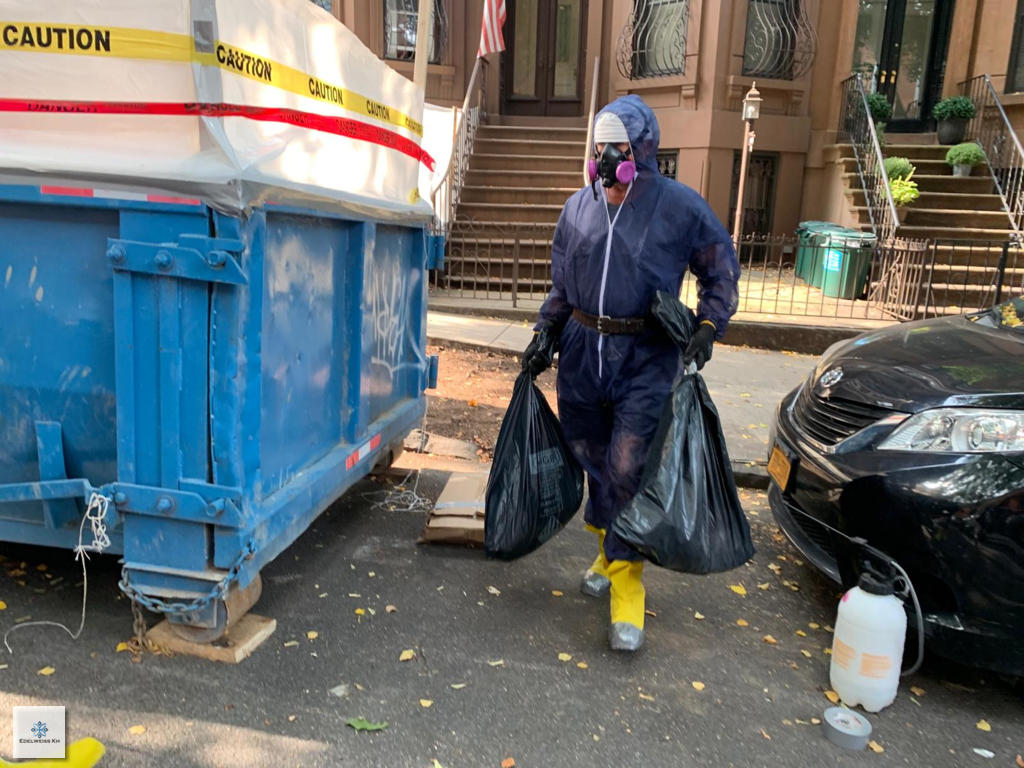
Certified teams use appropriate PPE, negative-pressure containment, HEPA filtration, and continuous air monitoring. These controls reduce airborne fibers and maintain a controlled work environment.
Without strict adherence to these safety measures, the risks of asbestos fiber emission during removal can significantly increase, impacting both workers and building occupants.
Risks of Asbestos Fiber Emission During Improper Removal
During asbestos removal, the risk of asbestos fibre emission rapidly increases in the work zone. The exposure applies not only to contractors but also to users of buildings during and after the reclamation work, if airborne asbestos becomes uncontrollable. Generally, living near the source of asbestos increases the risk of exposure and then asbestos-related diseases1. It concerns not normal (passive) operation but is dependent on the state of product disturbance and in consequence transfer and increased levels of fibre concentration, especially during renovation or asbestos removal.
Pollution of the environment and building interiors during asbestos removal as a result of lack of negative pressure in the working areas, 2024
Required Certifications
Legitimate asbestos abatement teams hold recognised certifications such as EPA AHERA accreditation and any state-issued licences required locally. These credentials confirm training in safe practices, legal requirements, and proper removal techniques.
The EPA’s AHERA Accreditation, for instance, outlines specific requirements for managing asbestos in educational settings and training personnel.
AHERA Regulations for Asbestos Management & Worker Training
AHERA regulations required: (1) inspection of all elementary and secondary schools to identify any asbestos-containing building materials present; (2) preparation of an asbestos management plan for each school; (3) notification of parents and staff of the plan’s availability for review; and (4) training of school maintenance and custodial workers.
Asbestos in Schools: Evaluation of the Asbestos Hazard Emergency Response Act (AHERA): A Summary Report., 1991
Service Quality and Regulatory Adherence
Quality service depends on consistent compliance with regulations and standard procedures. Certified experts follow guidelines to protect workers, limit exposure, and reduce liability, delivering measurable safety outcomes for clients.
How Do Certified Experts Conduct the Asbestos Removal Process Safely?
Certified teams follow a systematic approach: assessment, planning, containment, removal, cleaning, and clearance verification. Controls are applied and documented at every stage to ensure safety and compliance.
Safety Protocols:
The key safety measures are:
- Containment of Work Areas : Barriers and sealed zones prevent fiber spread.
- Use of PPE : Respirators, disposable suits, and other protective gear are mandatory.
- Continuous Air Monitoring : Monitoring detects any fiber release so teams can respond immediately.
Equipment Used:
Essential equipment includes:
- HEPA Vacuums : Capture fibers during cleanup.
- Negative Air Machines : Maintain negative pressure in containment zones.
- Specialized Containment Tools : Plastic sheeting, tapes, and sealing materials to isolate work areas.
Compliance with Regulations:
Certified teams must:
- Obtain Necessary Permits : Confirm permits are secured before work begins.
- Follow Proper Disposal Protocols : Use approved containers and licensed disposal facilities.
- Conduct Thorough Safety Assessments : Reassess conditions and air quality throughout the project.
What Are the Step-by-Step Procedures in Asbestos Abatement?
Standard steps deliver a verifiable outcome: inspect and test, plan and permit, isolate and remove under controls, clean, and complete final clearance testing before reoccupation.
Which Safety Protocols and Equipment Are Used During Removal?
Teams combine containment, PPE, HEPA vacuums, negative-air machines, and continuous monitoring to limit airborne fibers and meet regulatory standards.
What Certifications and Licensing Should Asbestos Abatement Experts Have?
Seek contractors with EPA AHERA accreditation where applicable, relevant state certifications, and any local licences required for asbestos work.
Which Certification Standards Ensure Expert Qualification?
Key standards include EPA AHERA, state certification programmes, and OSHA workplace-safety requirements; together they define training and procedural expectations.
How Do Certifications Impact Service Quality and Compliance?
Certifications ensure staff are trained in current regulations and practices, improving safety, compliance, and reducing organisational liability.
What Are the Health and Safety Risks of Asbestos Exposure?
Asbestos exposure can cause asbestosis, lung cancer, and mesothelioma. Proper management and removal limit inhalation of hazardous fibers and reduce long-term health risk.
What Are the Common Health Hazards Linked to Asbestos?
Common hazards include chronic lung disease (asbestosis), elevated lung-cancer risk, and mesothelioma — underscoring the need for controlled removal by certified teams.
How Do Experts Mitigate Exposure During Abatement?
Experts mitigate exposure with containment zones, mandatory PPE, HEPA filtration, continuous air monitoring, and verified cleaning protocols to keep air quality safe.
How Is Mold and Asbestos Remediation Combined for Effective Hazard Control?
Combining mold and asbestos remediation lets teams address multiple hazards in a single, coordinated plan that prevents cross-contamination and improves efficiency.
Why Is Combined Mold and Asbestos Removal Important?
Combined removal reduces overall health risk, supports compliance for both hazards, and streamlines assessments and containment efforts.
What Should Customers Expect From Combined Remediation Services?
Expect a comprehensive assessment, a tailored remediation plan, clear communication, and professionals certified for both mold and asbestos work with transparent timelines.
For those seeking reliable and professional asbestos removal in Long Island , choose certified experts who follow strict safety and regulatory standards to ensure safe, efficient removal and reduced health risk.
Frequently Asked Questions
Conclusion
Engaging certified asbestos abatement experts ensures hazardous materials are removed safely and in compliance with regulations. Their adherence to recognised safety protocols reduces exposure risk and protects health and property, giving homeowners and businesses reliable results and peace of mind.