
Licensed Asbestos Abatement in Brooklyn: Safe, Compliant Removal
Asbestos — a once-common fibrous material in building products — becomes dangerous when disturbed: tiny fibers can enter the air and create serious, long-term respiratory risks. Licensed asbestos professionals stop fiber release with engineered abatement methods, ensure legal disposal, and confirm safety with accredited clearance testing. This guide explains why licensed asbestos abatement matters in Brooklyn, how local rules shape the work, what each stage of removal looks like, and how to choose a contractor you can trust. You’ll get clear benefits of hiring licensed teams, an overview of testing, containment, removal and disposal steps, realistic cost drivers for homes and businesses, and why DIY removal is unsafe. Practical checklists and local context help Brooklyn homeowners and property managers make informed, secure decisions about asbestos testing and licensed abatement.
What are the benefits of hiring licensed asbestos-removal professionals in Brooklyn?
Licensed abatement teams protect health and keep you in compliance by combining trained technicians, engineered work plans, and certified clearance testing to reduce airborne fibers and limit liability.
The process is simple to follow: accredited testing identifies suspect materials, licensed crews set up sealed containment and negative pressure, and accredited labs confirm clearance before re-occupancy. Beyond safety, hiring licensed contractors reduces the chance of improper removal that leads to repeat abatement and ensures disposal manifests meet city and state requirements.
Below are the primary benefits you should expect when hiring licensed asbestos professionals in Brooklyn.
Licensed asbestos abatement delivers five core benefits:
- Safety: Certified crews use containment, wet methods, and HEPA filtration to minimize fiber release and protect occupants.
- Compliance: Proper permits, notifications, and documentation help you avoid fines and regulatory issues.
- Correct disposal: Licensed contractors follow manifest and landfill rules to dispose of asbestos waste legally.
- Cost avoidance: Professional abatement prevents rework and future remediation expenses by getting the job done right the first time.
- Peace of mind: Clearance testing and written certificates document safe re-occupancy for homeowners and buyers.
These advantages show why a licensed team is essential. Understanding how licensing works clarifies how each benefit is delivered on the ground.
How does licensing ensure safety and regulatory compliance?
Licensing requires documented training, demonstrated competence, and compliance with mandated safety protocols — all of which reduce exposure and produce an auditable paper trail. Technicians complete accredited instruction in PPE, containment setup, wet removal, and decontamination — practical skills that limit fiber release during disturbance and removal. Licensing also requires formal procedures: project notifications, permit filings where needed, waste manifests, and clearance testing by accredited labs, creating a traceable compliance record.
Knowing these requirements helps homeowners compare proposals and feel confident that safety measures will be followed from start to finish, protecting families and property value.
What unique advantages does Edelweiss Khust Inc offer?
At Edelweiss Khust Inc we combine regulatory rigor with homeowner-focused service to remove uncertainty from the process. We hold New York licensing and insurance, help expedite permits to keep schedules on track, and offer free estimates plus flexible payment options to make safe removal more accessible. Those features translate to real benefits: licensed insurance reduces client exposure, faster permit handling shortens delays, and transparent estimates help you budget without surprises. For Brooklyn homeowners, these practical advantages mean safer, faster, and more predictable remediation.
Why is professional expertise critical for asbestos abatement in Brooklyn?
Brooklyn’s building stock includes many older materials — roofing, siding, floor tiles, and textured ceilings — and each material demands a specific removal approach to avoid fiber release. Experienced contractors recognize material-specific risks and use the right methods, from wetting and glove-bagging to full-area containment, to protect both occupants and the structure. Professionals also coordinate with local testing labs, permit offices, and licensed disposal facilities to maintain compliance at every step. Combining technical skill with local knowledge reduces health risks, avoids costly mistakes, and speeds the return to safe occupancy.
Top Benefits of Hiring Licensed Asbestos Removal Experts in Brooklyn
Asbestos projects in Brooklyn are governed by overlapping state and city rules plus federal worker-safety standards. Those regulations determine who may perform work, what notifications are required, and how waste must be handled. The regulatory framework requires certified testing, appropriate notifications or permits, worker protections, and strict disposal documentation — all of which shape contractor procedures and project timelines.
Immediate regulatory impacts for homeowners:
- Permits and notifications: Many projects require filings that influence start dates and require accurate documentation.
- Testing and accredited labs: Bulk and air samples must be collected and analyzed by accredited laboratories before and after abatement.
- Contractor certification and worker safety: Technicians must follow OSHA rules and state certifications to protect workers and occupants.
Understanding these impacts explains why licensed contractors follow strict sequencing and documentation — next we summarize core requirements from the agencies that affect Brooklyn projects.
What are the key NYS DOH, NYC DEP, and OSHA requirements?
The New York State Department of Health sets certification and reporting rules for abatement projects, including notification protocols and accredited testing standards to protect public health statewide. NYC DEP adds city-level mandates for waste handling and transport within New York City — including licensed landfill delivery and specific disposal paperwork that affect contractor logistics. OSHA provides worker-protection rules — respiratory protection, training, and exposure monitoring — that govern on-site practices and PPE. Together these agencies require accredited testing, documented manifests, trained personnel, and formal clearance testing to legally close out an abatement.
How does Edelweiss Khust Inc comply with Industrial Code Rule 56 and NYC DEP mandates?
We align our procedures with state and city rules by using accredited testing labs, maintaining disposal manifests, and handling permit filings and notifications for clients to reduce administrative burden. Our process emphasizes OSHA-compliant worker safety and follows Industrial Code Rule 56–style requirements through documented procedures and trained crews. By coordinating testing, permitting, and landfill logistics, licensed firms like ours reduce scheduling risk and supply clients with the required documentation for legal disposal and clearance. That coordination shows how local rules shape contractor workflows and client protections.
Why is understanding local permits and certifications essential?
Permits, certification requirements, and application timelines can materially affect project length and cost, so homeowners benefit from knowing which filings are necessary and who is responsible for them. Incorrect or late permits can halt work, trigger fines, or cause disposal manifests to be rejected — adding time and expense.
Licensed contractors often handle the full administrative process: filing notifications, arranging ACP-type permits where required, and pursuing expedited processing. That lets clients avoid bureaucratic pitfalls. Clear responsibility up front reduces surprises and helps homeowners plan occupancy and scheduling around abatement work.
What does the asbestos-removal process in Brooklyn involve?
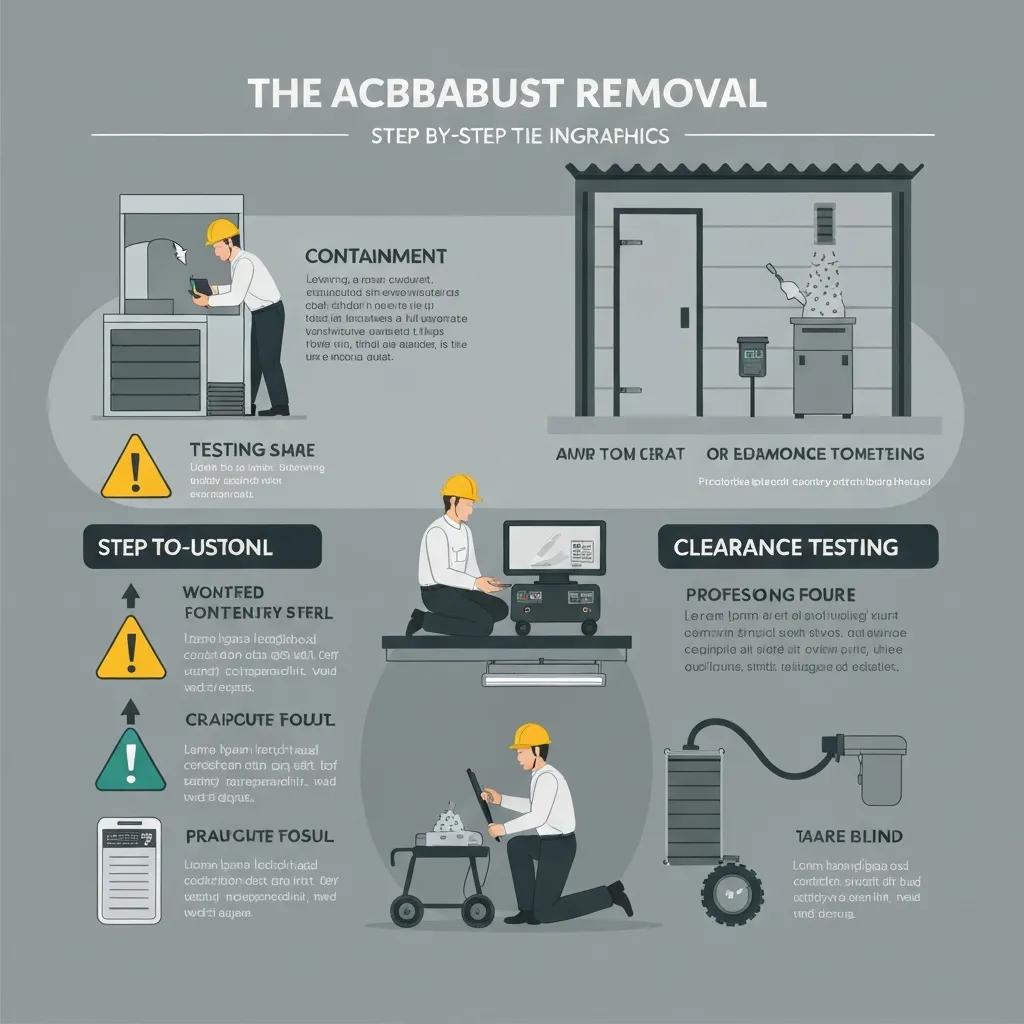
Licensed asbestos removal follows a clear sequence: professional testing, planning and permitting, engineered containment and removal, transport to licensed disposal facilities, and post-removal clearance testing to confirm safety. Each phase reduces risk by isolating asbestos, preventing fiber release, and documenting results through accredited testing and manifests — culminating in a Certificate of Clearance that confirms safe re-occupancy. Practically, start with accredited testing, prepare a written work plan and secure permits, follow engineered containment and wet removal methods, transport waste with proper manifests to licensed landfills, and complete clearance air sampling before returning the space to use.
This table compares the main phases and what clients can expect.
How are asbestos testing and inspection conducted?
Testing generally includes bulk sampling to identify asbestos-containing materials and air sampling to measure airborne fibers; both sample types are analyzed by accredited laboratories for definitive results. Certified inspectors collect representative samples using approved protocols, label them, maintain chain-of-custody, and send them to state- or EPA-accredited labs — turnaround varies by lab workload. Pre-abatement air sampling establishes a baseline; post-abatement clearance sampling confirms air quality meets regulatory thresholds before re-occupancy. Scheduling testing early prevents surprises and lets contractors design containment tailored to the materials found.
What containment and abatement procedures are used?
Containment and abatement follow engineered methods: erect sealed work zones with poly sheeting, run negative air machines with HEPA filtration, set up decontamination units, and use wet methods to suppress dust during removal. Workers wear appropriate PPE — respirators and disposable suits — and follow strict entry/exit decontamination to prevent cross-contamination. HEPA vacuums and controlled waste-bagging are used for cleanup. These practices minimize fiber release, protect occupants and workers, and preserve adjacent building elements where possible. Proper containment and methodical removal directly reduce post-project airborne fiber levels and support successful clearance testing.
How is asbestos waste safely disposed under Brooklyn rules?
Asbestos waste must be double-bagged or wrapped, clearly labeled, and transported with documented manifests to licensed landfills that accept asbestos-containing material; disposal fees are typically charged by volume. Contractors complete waste manifests and keep records that show chain-of-custody from the job site to the landfill, ensuring regulatory compliance and enabling any required reporting to city or state agencies. Proper handling and manifest documentation prevent illegal dumping and protect property owners from liability. These disposal protocols are essential for project closure and provide clients with verifiable proof of compliant waste handling.
What post-removal clearance testing is required?
Post-removal clearance testing confirms airborne fiber levels meet regulatory thresholds and that the area is safe to re-occupy; accredited labs issue a Certificate of Clearance when results pass. Clearance typically includes aggressive air sampling and a visual inspection by an accredited professional; passing the tests produces formal documentation for property records and regulatory compliance. Clients should receive the written clearance report and keep it for future transactions or renovations — it verifies that licensed procedures achieved the required safety outcome. Scheduling clearance testing promptly after abatement reduces downtime and completes the compliance cycle.
Before scheduling testing or permits, homeowners commonly ask about cost drivers and timelines. The next section explains the main variables that determine price and project duration.
How much does licensed asbestos removal cost in Brooklyn?
Costs for licensed asbestos removal depend on material type, project size, location (interior vs. exterior), access complexity, and disposal and permit fees. Total invoices reflect testing, labor, containment, transport, and landfill charges.
Pricing is driven by square footage or volume of asbestos-containing material and the containment required; hard-to-reach areas or extensive containment increase labor and equipment needs and raise cost.
Below is a simple table showing typical cost factors for residential and commercial projects and the way those factors usually affect budgets.
What factors influence asbestos-removal pricing in Brooklyn?
Price is affected by accessibility (tight spaces or multiple floors increase labor), material type (friable materials need more containment), material volume (drives disposal fees), and local disposal and permit costs that vary by facility and jurisdiction. Full-room or building containment with negative air systems is more equipment- and labor-intensive than isolated glove-bag work. Commercial projects often add costs for phased clearances and business interruption. Permit and expedited-processing fees can add upfront cost but may reduce downtime. Reviewing itemized estimates for testing, containment, labor, disposal, and permits shows where costs come from and helps you compare offers fairly.
What are average costs for residential and commercial projects?
Residential interior removals (popcorn ceilings or floor tiles) are often priced per square foot plus disposal fees, while whole-home or commercial abatement scales up significantly because of larger containment and extended labor. Tile or ceiling work typically has lower per-unit costs than structural or roofing abatement, but total estimates still depend on square footage and access. Commercial jobs may require phased work, after-hours containment, and extra documentation — all of which increase cost but preserve business continuity. Transparent estimates that list labor, equipment, disposal, and permit fees let clients compare proposals meaningfully.
How do permits and disposal fees affect total costs?
Permit fees can be fixed or variable (especially for expedited processing), and disposal fees are usually charged by volume at licensed landfills — both can materially affect final invoices for large-volume projects. Some contractors bundle standard permit and disposal estimates into comprehensive quotes; others present them as pass-through charges. Knowing the difference helps homeowners budget accurately. Disposal surcharges and landfill minimums can raise costs, particularly for exterior roof or siding removals that generate large debris piles. Clear fee breakdowns allow clients to choose proposals that honestly account for regulatory and disposal costs.
What are the health risks of asbestos exposure, and how does professional removal protect you?
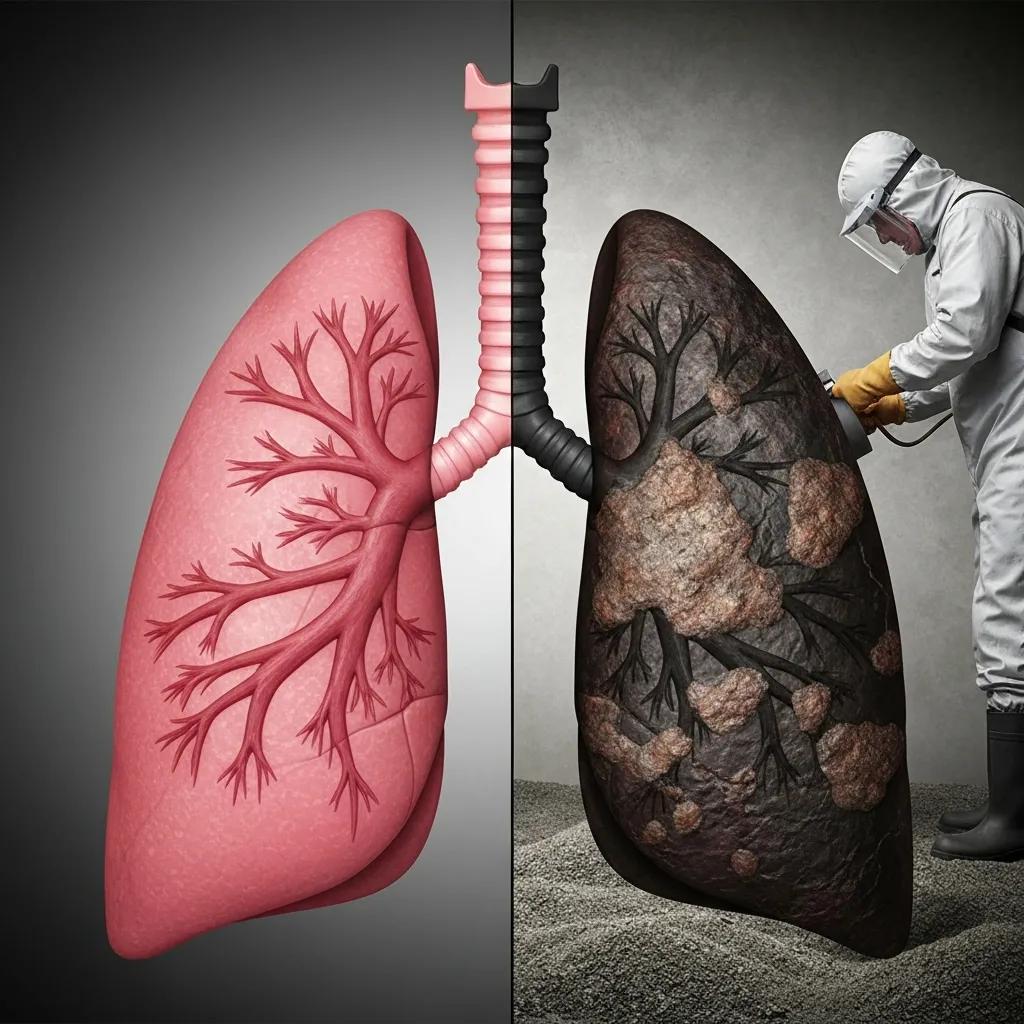
Asbestos exposure is linked to serious illnesses — mesothelioma, lung cancer, and asbestosis — often after long latency periods. Inhaled fibers lodge in lung tissue or the pleura, causing chronic inflammation, scarring, and cellular changes that can result in cancer decades later. Licensed removal reduces exposure by using engineering controls, trained crews, and validated clearance testing that documents a safe environment. Understanding these health risks makes clear why regulated, professional abatement is the safer choice over DIY attempts.
What diseases are caused by asbestos exposure?
Major conditions associated with asbestos include mesothelioma (cancer of the lung lining), lung cancer linked to fiber exposure, and asbestosis, a progressive scarring disease that impairs breathing. These illnesses often have multi-decade latency periods and develop after inhaled fibers cause persistent tissue damage. Risk rises with cumulative exposure and is higher for smokers. Because effects can take years to appear, preventing even small exposures during renovations is important. Professional removal and clearance reports provide critical evidence that exposure was controlled during abatement.
How do licensed experts minimize health hazards during removal?
Licensed crews use negative-pressure containment, HEPA filtration, wet removal methods, proper PPE, and decontamination units to control fiber release and prevent cross-contamination. Air monitoring and clearance sampling ensure airborne fiber counts return to acceptable levels before re-entry, and HEPA vacuums plus wet wiping reduce residual contamination. Worker training and strict entry/exit protocols further limit the chance fibers spread beyond the work zone. These layered controls — engineering, administrative, and personal — are central to licensed abatement safety.
Why is DIY asbestos removal dangerous and illegal in Brooklyn?
DIY removal is dangerous because improper disturbance can aerosolize fibers, contaminating living spaces and increasing long-term exposure. It can also violate local rules that require certified handling and legal disposal. Untrained homeowners rarely set up adequate containment, HEPA filtration, or proper manifests, and improper disposal can trigger penalties and environmental harm. Poor sampling or the absence of accredited lab testing can lead to false assumptions about safety. For health and legal reasons, licensed contractors following state and city rules are the safe, lawful choice for asbestos remediation.
How to choose the right licensed asbestos-removal company in Brooklyn
Choosing the right contractor means verifying certifications, reviewing clear itemized estimates, checking local experience and testimonials, and confirming documented clearance testing and disposal manifests after work completes. Prioritize regulatory compliance, transparent pricing, and a local track record that shows permitting and disposal competence. Use the checklist below when comparing proposals from licensed contractors.
- Verify licenses and certifications that meet NYS DOH and city requirements before hiring.
- Request an itemized written estimate separating testing, containment, labor, disposal, and permit fees.
- Ask for examples of recent local projects and documented clearance reports to confirm performance.
- Confirm insurance coverage and documented relationships with licensed disposal facilities.
Using this checklist helps homeowners compare bids on equal footing and prioritize firms that offer both compliance and transparent pricing.
What certifications and licenses should you look for?
Look for New York state and city-recognized certifications, proof of worker training that meets OSHA standards, and documentation of partnerships with accredited testing labs and licensed landfills to ensure compliance across testing, removal, and disposal. Certifications show technicians are trained in required abatement methods and safety protocols; insurance demonstrates financial protection for property owners. Verifying credentials before work begins lowers the risk of non-compliance and ensures the contractor can produce required clearance documentation at project completion.
How do free estimates and flexible payment plans benefit you?
Free estimates let you compare scopes, equipment needs, and itemized fees without cost, so you can evaluate value and compliance rather than just price. Flexible payment plans reduce the immediate financial burden of necessary abatement and let homeowners address urgent safety needs without delay. A quality estimate should list testing, containment, labor hours, disposal allowances, and permit handling so there are no surprises. Transparent estimates and reasonable payment options support safer outcomes and greater homeowner confidence.
Why are local experience and client testimonials important?
Local experience matters because Brooklyn projects require familiarity with city permit processes, nearby testing labs, and licensed landfill logistics that differ from other areas. Testimonials and case summaries provide social proof and examples of how a contractor solved local challenges like staging in dense neighborhoods or coordinating expedited permitting. Reviewing documented clearance reports from prior projects validates a contractor’s ability to achieve compliant air quality results. A local track record reduces uncertainty and helps homeowners choose companies that know Brooklyn’s regulatory and logistical nuances.
What specific licensed asbestos-removal services are available in Brooklyn?
Licensed services cover the materials commonly found in Brooklyn homes: asbestos roofing, floor tile removal, popcorn ceiling abatement, siding removal, and full testing and clearance for renovations or property sales. Each service uses tailored approaches — exterior roof work needs weatherproofing and staging, popcorn ceilings often require wet scraping and containment, and tile removal can involve adhesive abatement and floor protection. The table below summarizes typical materials, methods, and timelines to help homeowners choose the right option.
How is asbestos roof removal performed safely?
Roof removal requires exterior containment, staged platforms, and weatherproofing to protect the building envelope while preventing fiber release. Crews use wetting techniques and controlled removal sequences and coordinate with roofing contractors when swift replacement or repairs are needed. Disposal is handled with sealed containers and manifests to licensed landfills, and clearance may include outdoor air monitoring where appropriate. These procedures reduce exposure risk and ensure the roof area is safe for re-roofing or occupancy after work completes.
What does asbestos tile and popcorn-ceiling removal involve?
Popcorn ceiling removal typically uses wet scraping and localized containment to prevent dust spread, followed by HEPA vacuuming and a thorough post-abatement cleanup. Floor tile removal involves careful tile and adhesive extraction and may require floor repairs afterward. Both services emphasize containment, negative air, and accredited clearance sampling to confirm safe re-occupancy. Professionals coordinate with finish contractors so restoration work proceeds on a safe, documented foundation. Proper sequencing — testing, containment, removal, clearance — ensures renovations move forward without hidden risks.
How is asbestos siding removal handled by professionals?
Siding removal usually begins with exterior containment and debris control to prevent neighborhood contamination, followed by careful removal, secure packaging, and transport under manifest to licensed disposal facilities. Encapsulation is an option when full removal isn’t necessary. Choosing encapsulation versus full removal balances cost, longevity, and future renovation plans — encapsulation may be appropriate if siding is intact and not being replaced, while full removal is chosen when siding will be replaced. Licensed contractors document disposal and provide clearance evidence to support compliance and any subsequent permits.
What are the most common questions about licensed asbestos removal in Brooklyn?
Homeowners often ask about family safety, whether they must vacate during work, what to do if they suspect asbestos, and typical timelines. Clear, actionable answers help prioritize safety and next steps: stop disturbance, arrange accredited testing, and engage a licensed contractor if abatement is needed. The short Q&A below offers practical guidance and next steps so readers can act safely and confidently.
Why is professional asbestos removal crucial for family safety?
Professional removal prevents uncontrolled fiber release through engineered containment and validated clearance testing, directly lowering inhalation risk for family members during and after abatement. Licensed crews follow proven methods and use proper equipment to keep fibers contained, and accredited lab testing verifies results. Because long-term diseases can result from even modest exposures, documented clearance testing also supports future property transactions and renovations. That combination of engineering controls and formal testing is the main reason to choose professional removal.
Is it safe to live in a home during asbestos removal?
Whether occupants can remain depends on the scope and location of the work. Isolated exterior projects may allow limited occupancy, while full-room or multi-area containment typically requires temporary relocation until clearance testing confirms safety. Licensed contractors evaluate the scope and advise on whether evacuation is necessary, balancing convenience with safety and regulatory compliance. Clearance testing is the definitive green light for re-entry, and contractors should outline protective measures if limited occupancy is proposed.
What should I do if I suspect asbestos in my Brooklyn home?
If you suspect asbestos, stop disturbing the material, avoid sweeping or vacuuming, and arrange accredited bulk sampling to confirm whether asbestos is present. Contact a licensed testing provider to collect samples, then consult a licensed abatement contractor for a scope and estimate if tests confirm asbestos. Free estimates and professional guidance help homeowners plan safe, compliant removal without unnecessary risk. Early testing prevents accidental disturbance and enables a regulated remediation path.
How long does the asbestos-removal process take?
Timelines vary: single-room popcorn-ceiling or tile jobs can take one to several days, while roof or whole-home projects can take days to weeks. Permit and disposal scheduling can add days depending on approvals and landfill availability. Factors that affect duration include exterior weather, permit processing times, access complexity, and disposal logistics. Expedited permitting options can shorten calendar time. Licensed contractors who coordinate testing, permits, and disposal efficiently help reduce downtime while keeping work compliant. Written timelines in estimates help property owners plan occupancy and follow-up renovations.
Frequently asked questions
Conclusion
Hiring licensed asbestos-removal experts in Brooklyn delivers safety, regulatory compliance, and peace of mind. Licensed professionals use proven methods and follow strict rules to protect health and property value. Choosing a qualified contractor prevents costly mistakes and guarantees proper disposal of hazardous materials. When you’re ready to make your home or building safe, start with accredited testing and get a transparent, licensed plan from a trusted local abatement company.