
Professional Asbestos Removal Services: Safety Best Practices
Licensed asbestos abatement professionals, including the experienced team at Edelweiss Khust, specialize in minimizing asbestos exposure through advanced containment barriers, negative air pressure systems, HEPA filtration, and wet removal techniques that effectively trap fibers before they can enter the air. With over 25 years of industry experience, our certified technicians adhere to strict regulatory standards, employ approved disposal methods, and perform comprehensive post-removal air testing to ensure safety and compliance.
Key Takeaways
- Asbestos fibers become airborne when old materials or natural deposits are disturbed during renovation or demolition.
- Professional asbestos inspections identify asbestos in materials such as cement, insulation, roofing, and vehicle brakes, commonly used prior to their phase-out in the 1970s and 1980s.
- Engaging certified asbestos professionals guarantees thorough inspection and safe removal following established safety protocols and legal regulations.
- Inhalation of asbestos fibers poses serious health risks, making immediate professional containment and removal critical to reducing airborne exposure.
The Hidden Threat of Asbestos in Brooklyn Properties
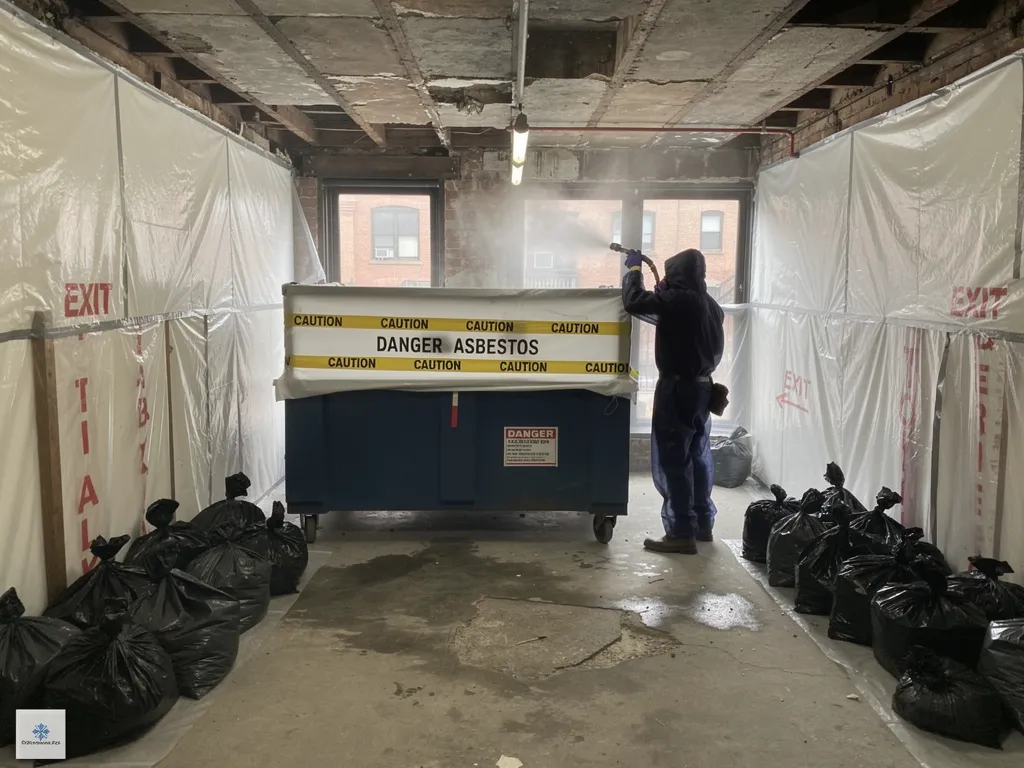
During renovation projects, disturbing old building materials can release asbestos fibers into the air, transforming a standard remodel into a serious health concern for all occupants. Brooklyn’s older housing stock is particularly susceptible to this risk, as many properties unknowingly harbor asbestos-containing materials. Every year, numerous Brooklyn properties undergoing renovations encounter hidden asbestos hazards without prior warning.
The challenge lies in asbestos’s ability to remain undetectable. More than 60 common building materials found in Brooklyn residences, such as pipe wraps, floor tiles, or ceiling panels installed decades ago, may contain asbestos yet show no visible signs of contamination.
Visual Identification Limitations for Homeowners
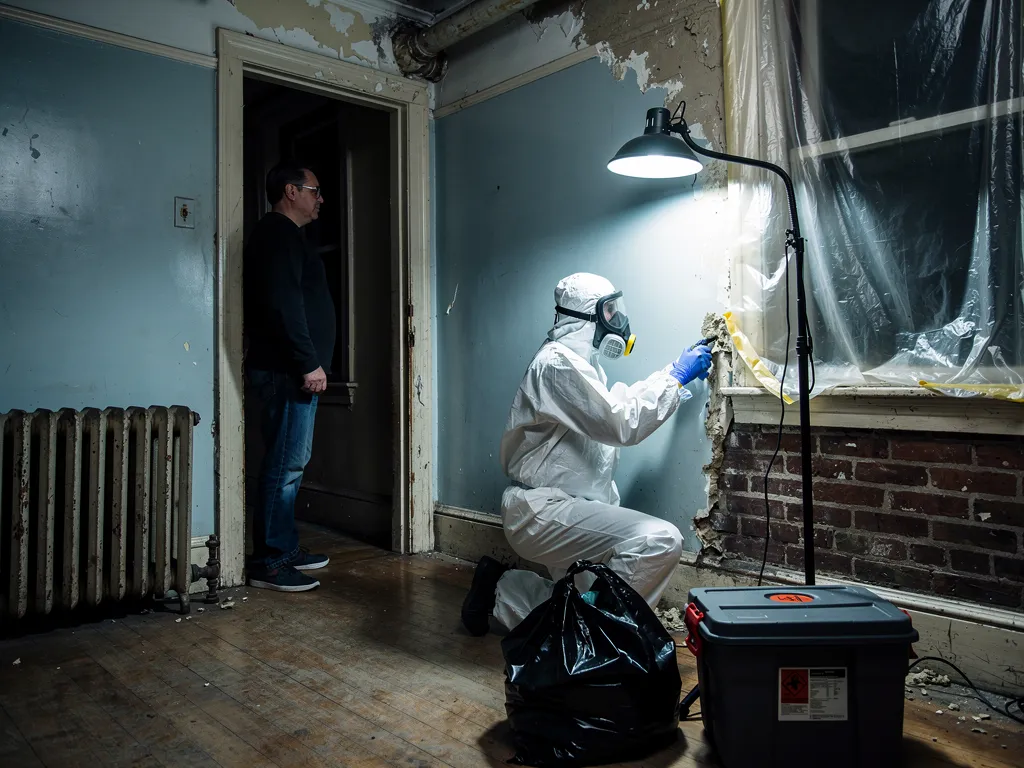
Asbestos-containing materials cannot be reliably identified through visual inspection alone unless specifically labeled. Property owners suspecting asbestos presence should treat materials as hazardous and avoid any disturbance until confirmed by professional testing.
This uncertainty underscores the importance of professional asbestos removal services in Brooklyn’s older buildings. Trained specialists perform precise testing of suspect materials, confirm asbestos presence, and safely remove contaminated components without releasing fibers into occupied spaces. Skipping professional evaluation can turn routine renovations into significant health risks for residents and workers.
Exposure Control Measures During Asbestos Removal
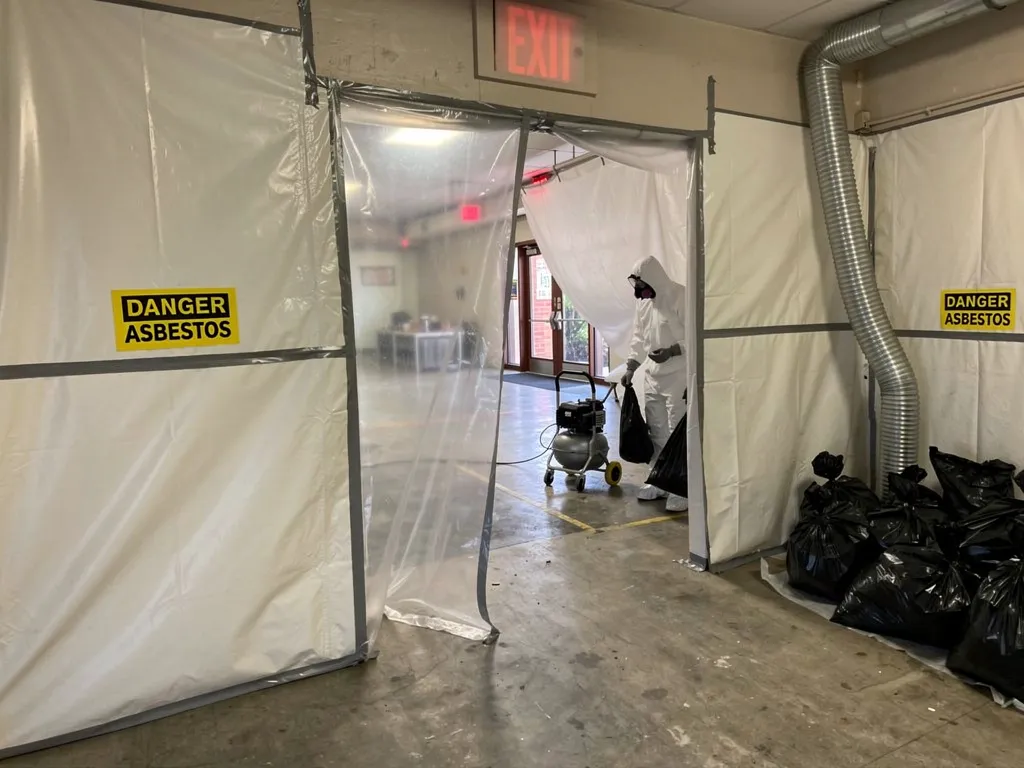
Robust containment barriers combined with regulated air handling techniques prevent asbestos fibers from dispersing into occupied areas during removal. Edelweiss Khust complies fully with OSHA and EPA regulations, integrating advanced containment strategies designed to isolate hazardous materials within affected zones. For property owners, strict adherence to these safety protocols is paramount as any containment failure can lead to widespread contamination.
Certified technicians play a vital role alongside equipment, bringing specialized knowledge and comprehensive understanding of local regulations. This expertise ensures asbestos abatement proceeds efficiently and safely while maintaining full compliance with all applicable codes. Property managers benefit from this regulatory expertise, as failure to comply can cause costly delays and stringent retesting requirements.
Components of a Compliant Asbestos Abatement Process
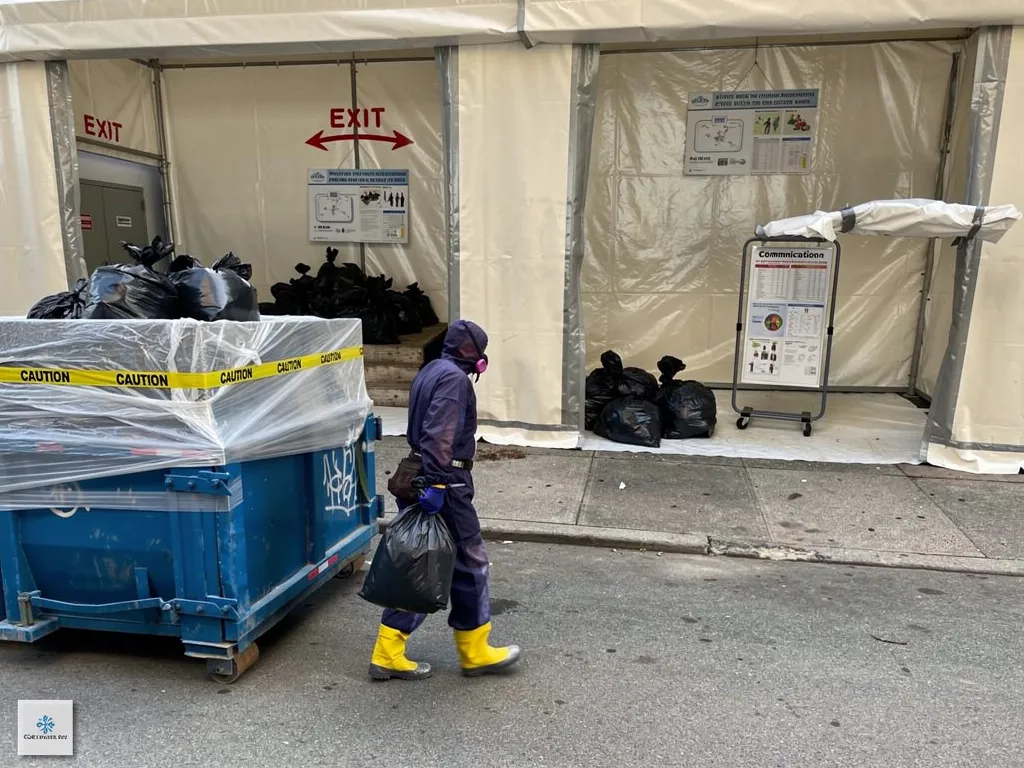
An effective abatement process encompasses three key steps: thorough testing, controlled removal, and transparent communication with property owners. Initial testing defines the extent of contamination before work starts. Removal then occurs under strict containment conditions. Continuous communication ensures clients receive timely updates regarding project progress and clearance results. Together, these elements create a fiber-free environment that protects occupants and meets regulatory standards.
High-Risk Groups for Asbestos Exposure
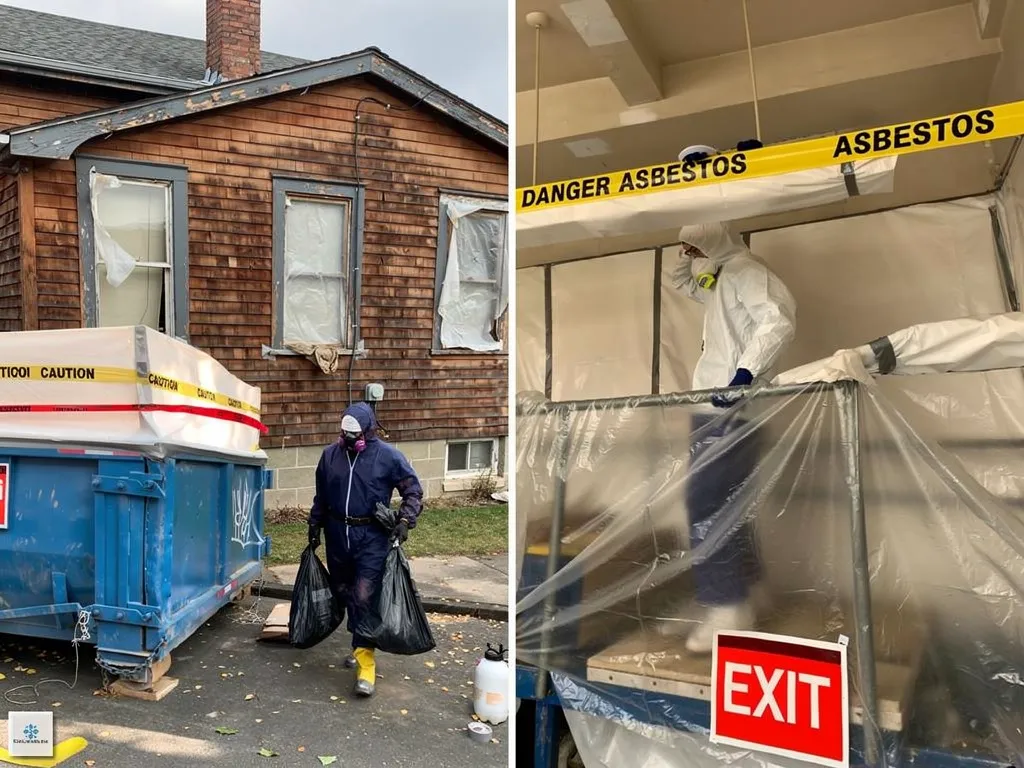
Individuals in construction and maritime industries remain particularly vulnerable to asbestos exposure due to the prevalence of asbestos in older structures and vessels. Similarly, homeowners renovating pre-1980s properties face hidden risks that make professional inspection and containment essential precautions for health and safety.
When to Contact a Licensed Asbestos Abatement Company
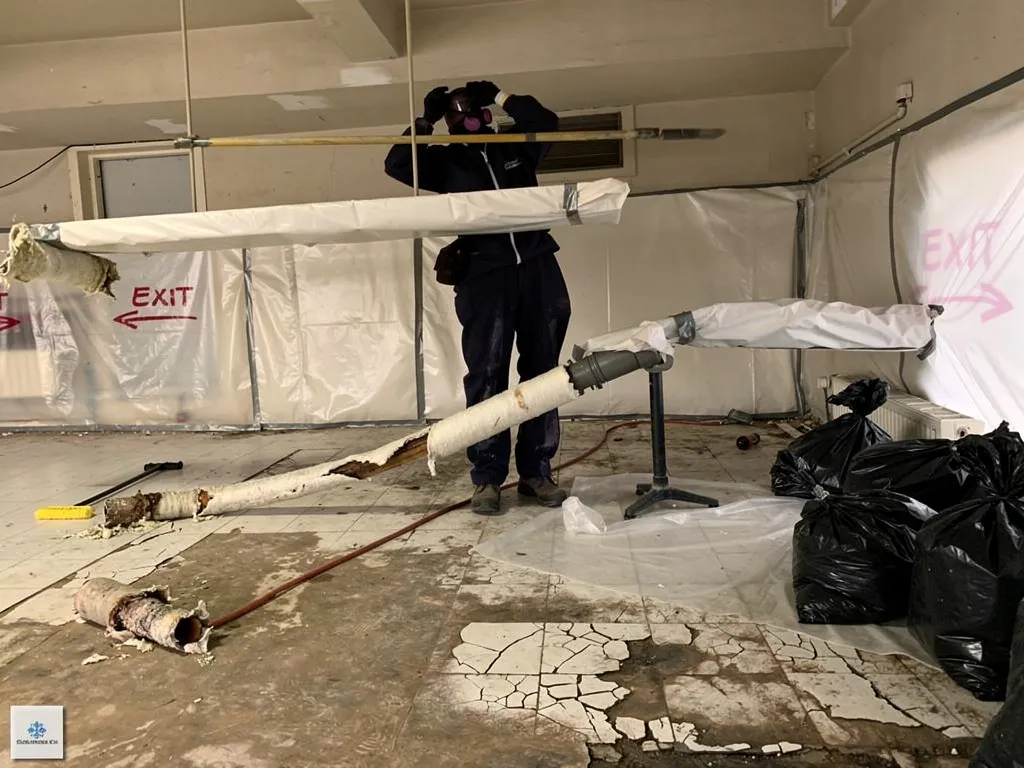
If potential asbestos-containing materials are discovered during renovations—such as damaged pipe insulation, cracked tiles, or deteriorating ceiling textures—they must be left undisturbed and inspected promptly by trained professionals. Disturbing these materials before assessment can release hazardous fibers into the air, turning a manageable situation into a serious exposure risk.
Importance of Asbestos Inspection Before Remodeling
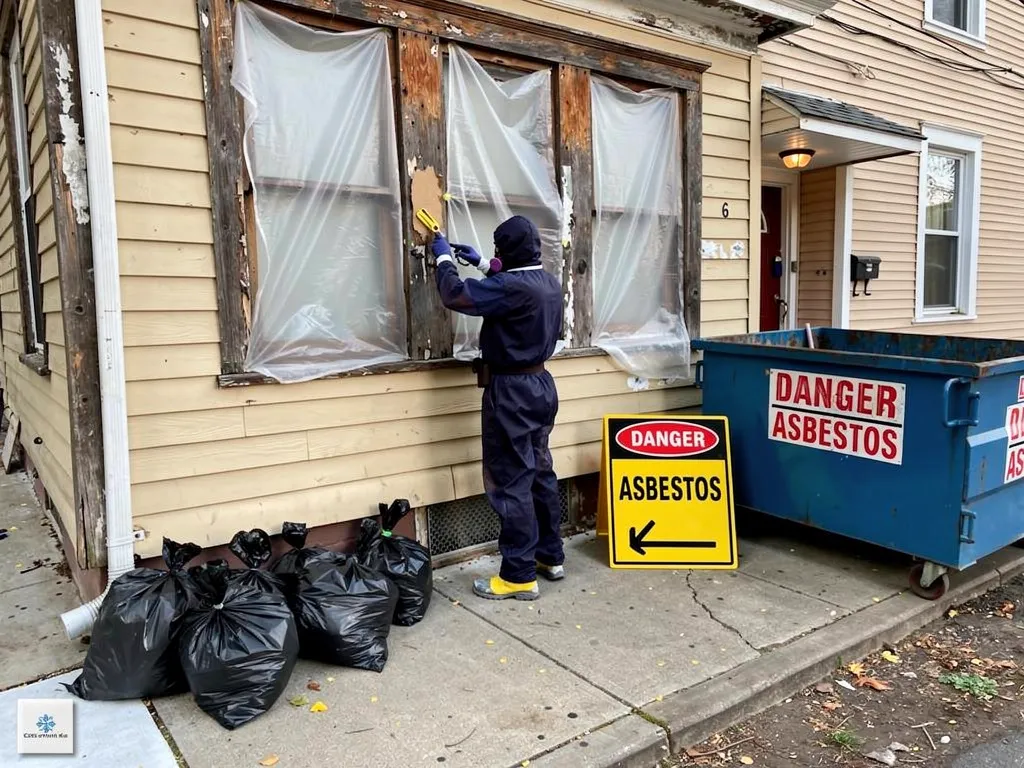
Properties built before the 1980s should undergo professional asbestos inspections prior to any demolition or renovation. This ensures that hazardous fibers are not inadvertently released into living spaces where families and workers might inhale them daily. Edelweiss Khust provides reliable inspections and professional asbestos removal services in Brooklyn, combining over 20 years of abatement experience with full New York licensing and insurance to deliver a safety-first, documented process.
Reasons to arrange an inspection promptly include:
- Visible damage like staining or crumbling near suspected asbestos materials
- Upcoming demolition, remodeling, or pipe replacement in older buildings
- Uncertainty about the composition of materials after visual checks
Edelweiss Khust operates daily from 7:00 AM to 7:00 PM, making scheduling inspections before disturbing materials straightforward and convenient.
Effective asbestos exposure reduction relies on a comprehensive approach combining stringent safety procedures, specialized containment and filtration equipment, and expert knowledge. By following established protocols for containment, protective measures, and regulatory compliance, trained professionals minimize health risks during asbestos removal and abatement. Protecting your property and the wellbeing of occupants requires this high level of precision and dedication to safety, which is fundamental to responsible hazardous material management.